
Why Your Home Feels Dusty Even After Constant Cleaning
Discover why persistent dust is a structural issue, not a housekeeping problem. Learn how air leakage pulls dust from attics and crawl spaces into your home and why air sealing makes cleaning more effective.
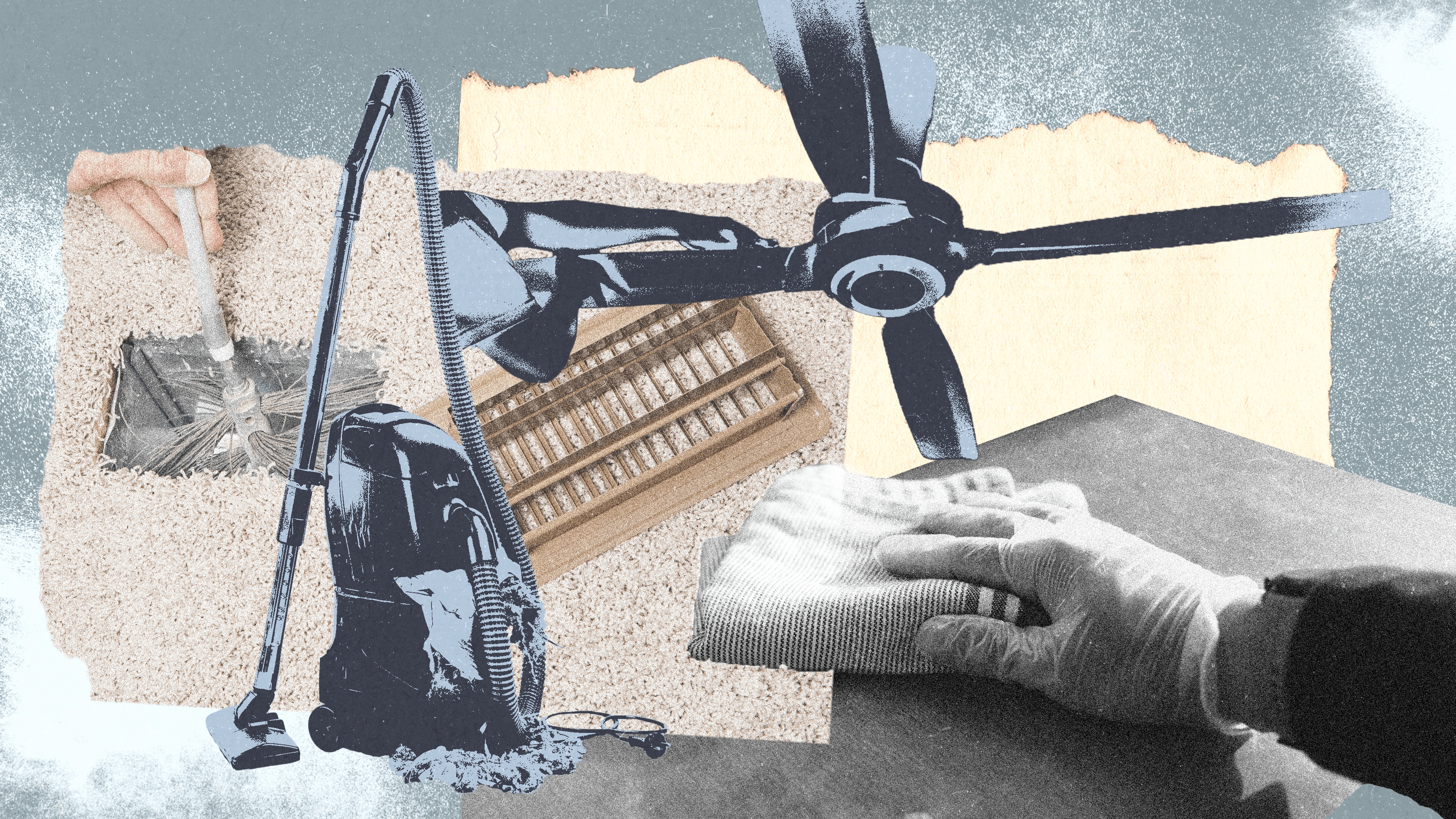
If it feels like dust reappears the moment you finish cleaning, you're not alone. Many homeowners vacuum regularly, wipe surfaces daily, and still wonder why their home never seems to stay clean. While it's easy to blame pets, outdoor air, or daily activity, the real cause often has nothing to do with cleaning habits.
In many Missouri homes, persistent dust is actually a structural issue, not a housekeeping problem. The hidden culprit is air leakage—uncontrolled air movement that pulls dust into your home from places you never see. Understanding where dust comes from and how it travels through your home is the first step toward a cleaner, more comfortable living space.
The Hidden Sources of Indoor Dust
Most homeowners assume dust comes from outdoors—through open doors, windows, or foot traffic. While some dust does enter this way, a surprising amount actually originates inside the home's structure itself. Your attic, crawl space, wall cavities, basement, and garage all contain insulation fibers, dirt particles, dried soil, and construction debris. When air moves freely between these spaces and your living areas, dust comes with it.
This is one of the most common insulation problems we see in Greene and Christian County homes. The dust you're constantly cleaning isn't coming from outside—it's being pulled from hidden spaces you can't even see.
How Air Leakage Creates a Dust Highway
Your home is constantly exchanging air with the outside environment and with hidden structural spaces. When air pressure differences occur—caused by HVAC systems, temperature changes, or weather patterns—air is pulled through any available opening. These openings act like invisible highways, allowing dust to travel from attics and crawl spaces directly into your living rooms and bedrooms.
Air leakage commonly occurs through gaps around electrical outlets, plumbing penetrations, attic access hatches, rim joists, duct chases, and unsealed wall cavities. As air moves through these openings, it acts like a vacuum, pulling dust from structural spaces directly into the rooms you clean every day. This is why you might notice dust settling again within hours of cleaning, furniture surfaces that never stay clean, floors that feel gritty shortly after vacuuming, and air filters that clog faster than expected.
Your HVAC System Might Be Making It Worse
Here's something many homeowners don't realize: heating and cooling systems can actually amplify dust problems when air leakage is present. Your HVAC system moves large volumes of air throughout the home, creating pressure differences that draw air—and dust—from unsealed areas. When leaks exist in your building envelope, dust bypasses filters entirely, contaminated air enters return ducts, and particles circulate repeatedly through living spaces.
This creates a frustrating cycle where dust is constantly redistributed throughout your home, making it feel like cleaning has little lasting effect. Improving your indoor air quality requires addressing these hidden air pathways, not just running your HVAC system or changing filters more often.
Why Traditional Insulation Doesn't Stop Dust
Many homes are insulated with materials designed primarily to slow heat transfer, not to stop air movement. Traditional fiberglass and cellulose insulation allow air to pass through them easily. This means dust travels through the insulation material itself, air leaks remain open, and attics and crawl spaces stay connected to living areas.
Without proper air sealing, insulation alone cannot prevent dust infiltration—no matter how thick it is. This is a fundamental difference between traditional insulation and spray foam solutions that actually seal the building envelope.
The Invisible Entry Points
Some of the biggest dust entry points are completely invisible once a home is finished. Top plates where walls meet the attic, wall cavities behind outlets and switches, gaps around recessed lighting, and framing joints inside ceilings and floors all provide pathways for dust migration. These spaces are hidden behind drywall and trim, so dust moves through them silently, settling onto surfaces long after you've cleaned.
If you're noticing common signs of insulation problems like persistent dust, uneven temperatures, or high energy bills, these hidden gaps are likely to blame.
Missouri's Climate Makes Dust Problems Worse
Missouri's climate contributes to dust issues in several unique ways. Seasonal temperature swings increase air movement through the building envelope, humidity changes affect pressure balance inside your home, and homes cycle between heating and cooling frequently throughout the year. These conditions cause air to constantly shift direction, pulling particles from hidden spaces into the home year-round. Missouri's humid summers and cold winters create constant pressure changes that exacerbate air leakage problems.
The Real Solution: Air Sealing
The most effective way to reduce dust isn't cleaning more often—it's stopping dust from entering your living space in the first place. Professional air sealing services close the gaps that allow air movement, separates living areas from attics and crawl spaces, and prevents dust from being pulled into rooms. When air leakage is reduced, dust has fewer pathways to travel, and cleaning suddenly becomes much more effective and long-lasting.
How Spray Foam Insulation Addresses the Problem
Spray foam insulation addresses dust problems fundamentally differently than traditional materials. Instead of allowing air to pass through, spray foam expands and seals gaps at their source. It blocks airflow through walls and ceilings, seals hidden cracks and penetrations, and dramatically reduces dust migration from structural spaces.
Homeowners often notice immediate improvements after professional spray foam installation—surfaces stay clean longer, dust buildup slows significantly, and the home feels fresher overall. Whether you choose open-cell or closed-cell spray foam depends on your specific application, but both types provide superior air sealing compared to traditional insulation.
The Long-Term Benefits of Reduced Dust
When dust infiltration is reduced through proper air sealing, the benefits extend far beyond just cleaner surfaces. Cleaning takes less time and effort, HVAC filters last longer, furniture stays cleaner between dustings, and floors remain dust-free longer. Over time, this reduces overall household maintenance and creates a more comfortable living environment without constant effort. This is part of why spray foam is a long-term investment rather than just a temporary fix.
Why Cleaning Alone Will Never Solve the Problem
Dust caused by air leakage is a structural issue. Until the pathways bringing dust into your home are addressed, cleaning treats only the symptom—not the cause. This is why many homeowners feel frustrated despite doing everything "right." The home itself is continuously feeding the problem through hidden air leaks.
No amount of vacuuming, dusting, or air purifying will permanently solve a dust problem caused by structural air leakage. The only lasting solution is to seal the building envelope properly.
A Cleaner Home Starts Behind the Walls
If your home feels dusty no matter how often you clean, the issue likely isn't your cleaning routine—it's uncontrolled airflow behind your walls and ceilings. By addressing air leakage through professional spray foam insulation, you can reduce dust at its source, improve overall comfort, lower maintenance effort, and make your cleaning results actually last.
The cleanest homes aren't the ones cleaned most often—they're the ones sealed properly from the start.
Ready to Solve Your Dust Problem?
Persistent dust is not a normal part of homeownership. It's a sign that air is moving where it shouldn't. When air leakage is reduced through professional spray foam insulation, dust loses its pathway into your living space. The result is a home that stays cleaner longer, feels more comfortable, and requires less effort to maintain.
If cleaning never seems to make a lasting difference, it may be time to look beyond the surfaces and start looking behind the walls. Contact Foam Fortress today at 417-224-8734 for a free consultation and discover how professional spray foam insulation can finally solve your persistent dust problems.