
Open-Cell vs. Closed-Cell Spray Foam: Which Is Best for Missouri Homes?
Compare open-cell and closed-cell spray foam insulation for Missouri homes. Learn the differences in R-value, moisture resistance, cost, and ideal applications to make the right choice for your home.
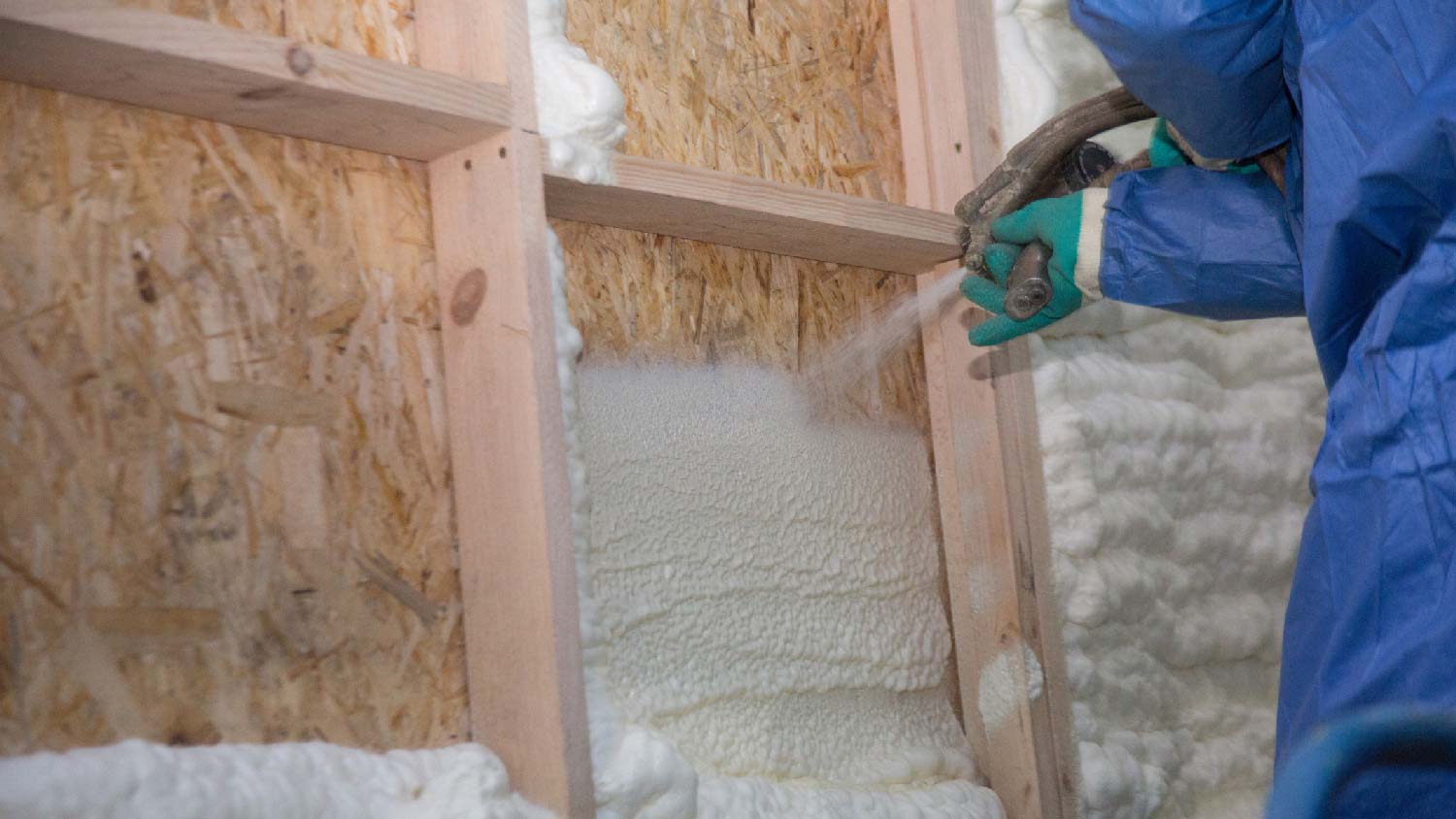
Choosing the right insulation is one of the most important decisions a homeowner can make—especially in Missouri, where hot, humid summers and cold, unpredictable winters place constant stress on a home's energy efficiency. Spray foam insulation has become a top choice across Springfield, Nixa, Ozark, Republic, and surrounding areas, but homeowners often ask one critical question:
Should I choose open-cell or closed-cell spray foam insulation?
At Foam Fortress, we install both types regularly, and the truth is—there's no one-size-fits-all answer. The best option depends on your home's structure, budget, moisture exposure, and performance goals. This guide breaks down the differences clearly so Missouri homeowners can make a confident, informed decision.
Understanding Spray Foam Insulation
Spray foam insulation is applied as a liquid that expands into a solid foam, sealing gaps, cracks, and cavities that traditional insulation often misses. Unlike fiberglass or cellulose, spray foam creates an air-tight seal, reducing energy loss, moisture intrusion, and drafts.
**There are two main types:**
Open-cell spray foam
Closed-cell spray foam
While they may look similar once installed, their performance characteristics are very different.
What Is Open-Cell Spray Foam?
Open-cell spray foam is lighter, softer, and expands significantly during application. Its internal structure contains tiny open cells, which makes the foam flexible and breathable.
**Key Characteristics of Open-Cell Foam**
Lower density and softer texture
Expands more, filling irregular spaces easily
Excellent air sealing
Lower cost per square foot
Allows moisture vapor to pass through
**Benefits for Missouri Homes**
Open-cell spray foam is often ideal for interior applications, especially in areas where moisture exposure is minimal.
**Common uses include:**
Attics (especially roof decks)
Interior walls
Soundproofing between rooms
Ceiling cavities
Because Missouri homes often deal with uneven temperatures and drafts, open-cell foam's ability to fully expand and seal air leaks makes it a powerful tool for improving comfort.
**Potential Limitations**
Lower R-value per inch compared to closed-cell
Not a vapor barrier
Not recommended for areas exposed to bulk moisture or flooding
What Is Closed-Cell Spray Foam?
Closed-cell spray foam is much denser and more rigid. Its tightly packed cells are completely sealed, giving it superior strength and moisture resistance.
**Key Characteristics of Closed-Cell Foam**
High density and rigid structure
Higher R-value per inch
Acts as a vapor barrier
Adds structural strength to walls and roofs
Highly resistant to water intrusion
**Benefits for Missouri Homes**
Missouri's climate includes heavy rain, humidity, snow, and ice—making closed-cell foam especially valuable in high-exposure areas.
**Common uses include:**
Crawl spaces
Basements
Rim joists
Exterior walls
Metal buildings and pole barns
Areas prone to moisture or condensation
Closed-cell spray foam is often chosen when maximum insulation performance and moisture control are the top priorities.
**Potential Limitations**
Higher upfront cost
Less flexibility than open-cell
Requires precise installation by experienced professionals
Open-Cell vs. Closed-Cell: Key Differences at a Glance
| Feature | Open-Cell Foam | Closed-Cell Foam | |---------|----------------|------------------| | **Density** | Low | High | | **R-Value per Inch** | ~3.5–3.8 | ~6–7 | | **Air Sealing** | Excellent | Excellent | | **Moisture Resistance** | Moderate | High | | **Vapor Barrier** | No | Yes | | **Sound Reduction** | Excellent | Moderate | | **Structural Strength** | No | Yes | | **Cost** | Lower | Higher |
Which Is Best for Missouri's Climate?
Missouri experiences wide seasonal swings—from humid summers to freezing winters—so insulation must manage air movement, temperature, and moisture effectively.
**Open-Cell Is Often Best When:**
You want an affordable solution for attics or interior spaces
Sound reduction is important
Moisture exposure is low
You want maximum expansion to seal air leaks
**Closed-Cell Is Often Best When:**
Moisture control is critical (crawl spaces, basements)
Space is limited and higher R-value is needed
Structural reinforcement is beneficial
The area is exposed to temperature extremes or condensation
Many Missouri homeowners choose a hybrid approach, using closed-cell foam in moisture-prone areas and open-cell foam elsewhere to balance performance and cost.
Cost Considerations for Homeowners
While closed-cell spray foam costs more upfront, it delivers higher R-value in less space and offers long-term protection against moisture damage. Open-cell foam provides excellent air sealing at a lower cost and still delivers significant energy savings.
At Foam Fortress, we help homeowners evaluate:
Energy savings potential
Long-term durability
Moisture risks
Budget goals
In many cases, the right choice pays for itself over time through lower heating and cooling costs.
Why Professional Installation Matters
Spray foam performance depends heavily on proper installation. Incorrect application can lead to gaps, uneven curing, or moisture issues.
Foam Fortress uses trained professionals who understand:
Missouri building codes
Local climate challenges
Proper thickness and placement
Ventilation and safety requirements
The result is insulation that performs exactly as designed—year after year.
Final Verdict: Which Should You Choose?
There is no universal winner between open-cell and closed-cell spray foam. The best insulation choice depends on where it's installed and what your home needs most.
**Open-cell foam** excels at air sealing, comfort, and sound control.
**Closed-cell foam** delivers unmatched strength, moisture resistance, and thermal performance.
For many Missouri homes, a custom insulation plan using both types provides the best overall result.
Upgrade Your Home with Confidence
If you're considering spray foam insulation, Foam Fortress is here to help. We assess your home, explain your options clearly, and recommend the solution that delivers real comfort, energy savings, and long-term value.
**Ready to make your home more efficient and comfortable?**
Contact Foam Fortress today for a free estimate and expert guidance tailored to your Missouri home.