
Spray Foam vs. Traditional Insulation: What Springfield Homeowners Need to Know Before Choosing
Insulation plays a critical role in keeping your home comfortable and energy-efficient. Learn the key differences between spray foam and traditional insulation to help Springfield homeowners make an informed decision that delivers comfort, energy savings, and long-term value.
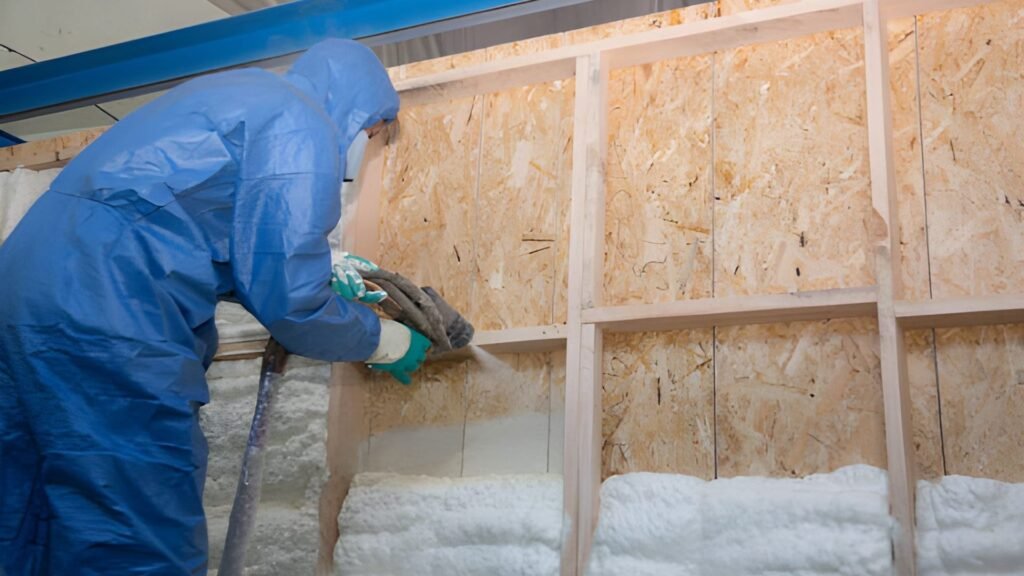
Insulation plays a critical role in keeping your home comfortable and energy-efficient, especially in a climate like Springfield, Missouri, where hot summers, humid conditions, and chilly winters can strain your HVAC system. For many homeowners, choosing between spray foam insulation and traditional insulation—typically fiberglass or cellulose—can feel confusing. Each option has different benefits, costs, and long-term performance considerations. This guide breaks down the key differences to help Springfield homeowners make an informed decision that delivers comfort, energy savings, and long-term value.
Understanding the R-Value: Why Efficiency Matters
R-value is one of the most important factors when evaluating insulation. It measures the material's ability to resist heat flow. The higher the R-value, the better it insulates your home.
Spray Foam Insulation
Spray foam—available in open-cell and closed-cell varieties—provides some of the highest R-values in the industry. Closed-cell foam, in particular, delivers exceptional thermal resistance, outperforming fiberglass and cellulose by a wide margin. Because it expands to fill every gap, spray foam prevents heat transfer more effectively, keeping your indoors cooler in summer and warmer in winter.
Traditional Insulation
Fiberglass batts and blown-in cellulose offer decent R-values when freshly installed, but their performance can decrease over time. They can shift, settle, or compress, which creates gaps that allow air to move freely through your home. This results in uneven temperatures and increased energy usage.
Bottom line: Spray foam consistently delivers higher R-values and improved long-term energy efficiency.
Air Sealing Performance: The Hidden Key to Comfort
Insulation doesn't just slow heat transfer—it also impacts how much outside air enters your home.
Spray Foam Insulation
Spray foam is well-known for its superior air sealing capabilities. When applied, it expands rapidly, filling cracks, gaps, and penetrations around pipes, wiring, and framing. This creates a complete air barrier, drastically reducing drafts and preventing conditioned air from escaping.
In a place like Springfield, where humidity swings and temperature fluctuations are common, a tight building envelope makes a significant difference in comfort and energy consumption.
Traditional Insulation
Fiberglass and cellulose do not create an air seal. Even with proper installation, air can move through and around these materials. This is why homeowners often notice drafty rooms, cold spots in the winter, and difficulty keeping certain areas cool in the summer.
Bottom line: Spray foam provides unmatched air sealing, improving comfort and reducing HVAC load.
Moisture Protection and Mold Prevention
Missouri's humidity can create ideal conditions for mold, especially in attics, crawl spaces, and basements.
Spray Foam Insulation
Closed-cell spray foam serves as both insulation and a moisture barrier. Its dense structure prevents water vapor from penetrating, which reduces the risk of mold growth, wood rot, and structural damage. Even open-cell foam, while not a full moisture barrier, minimizes condensation and moisture intrusion far better than fiberglass or cellulose.
Traditional Insulation
Fiberglass and cellulose can absorb moisture, leading to mold, odors, and compromised thermal performance. Once these materials become damp, they lose effectiveness and may require complete replacement.
Bottom line: Spray foam offers effective moisture resistance, making it ideal for humid crawl spaces, attics, and basements.
Lifespan and Long-Term Performance
Homeowners should consider not just upfront cost, but how insulation will perform over time.
Spray Foam Insulation
Spray foam is incredibly durable and can last 40 to 70 years without losing shape or effectiveness. It does not sag, settle, or deteriorate. Because it reinforces air sealing and structural integrity, it maintains consistent performance throughout its lifespan.
Traditional Insulation
Fiberglass and cellulose begin to degrade much sooner. Settling, sagging, and moisture exposure can dramatically reduce effectiveness within 10 to 20 years. This can lead to rising utility bills and the need for reinvestment in insulation.
Bottom line: Spray foam is a long-term solution that maintains high performance for decades.
Cost Considerations and Long-Term Savings
Upfront cost is often the biggest reason homeowners hesitate to choose spray foam. While it typically costs more initially, it delivers significant long-term benefits.
Spray Foam Insulation
Spray foam's higher installation cost is offset by energy savings—often up to 40% on heating and cooling bills. A tighter building envelope also reduces HVAC wear and tear, lowering maintenance costs and extending equipment lifespan.
Traditional Insulation
Fiberglass and cellulose are more affordable up front but offer fewer long-term financial benefits. Gaps, air leakage, and moisture sensitivity lead to higher utility bills and potentially earlier replacement.
Bottom line: Spray foam provides a strong return on investment through utility savings and long-term durability.
Environmental and Health Considerations
Modern spray foam products are designed to be safe when installed by professionals and fully cured. They help reduce energy consumption and create healthier indoor environments by minimizing air leaks, allergens, and moisture.
Traditional insulation materials can release particulates, harbor dust, or trap moisture, affecting indoor air quality.
Which Option Is Best for Springfield Homeowners?
If your priority is lower upfront cost, traditional insulation will meet basic needs. But for homeowners seeking:
Lower monthly energy bills
Better indoor air quality
Superior moisture control
Consistent room temperatures
Long-term durability
Reduced risk of mold
Spray foam insulation is the clear winner.
With Springfield's fluctuating climate and humidity levels, the air-sealing and moisture-control benefits of spray foam provide exceptional long-term value.
Trust Foam Fortress for Professional Spray Foam Installation
Foam Fortress specializes in high-quality spray foam insulation for homes and businesses across Springfield, Nixa, Ozark, Republic, Rogersville, and surrounding Missouri communities. Our experienced team ensures clean, professional installation with fast project timelines and exceptional results.
Whether you're upgrading insulation in an existing home or insulating a new construction project, Foam Fortress provides the expertise and quality you can rely on.