
Why Insulation Matters in Garage-to-Living Space Conversions
Converting your garage into a bedroom, office, or studio? Learn why proper insulation is critical for year-round comfort and energy efficiency in these unique spaces.
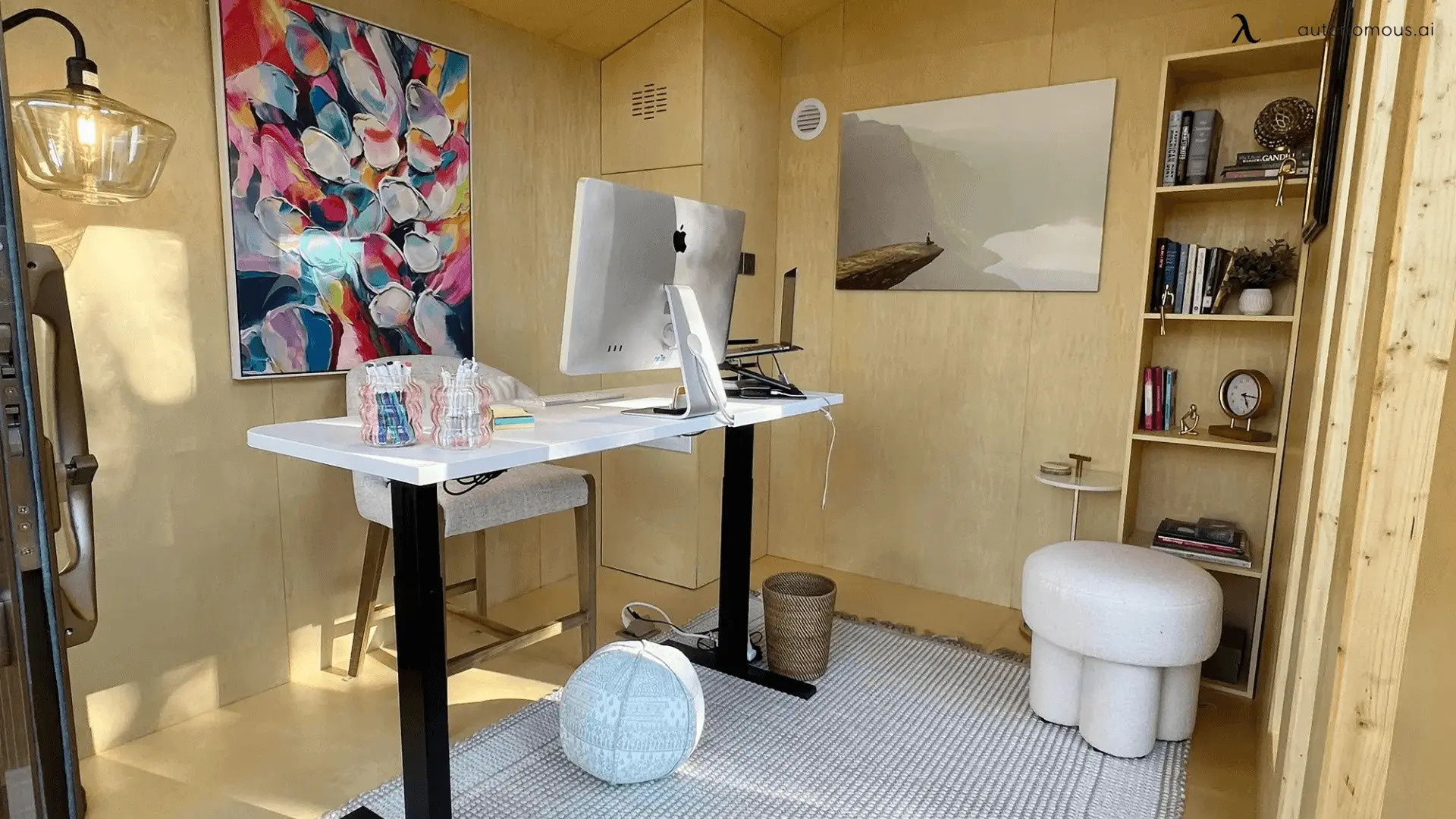
Garage conversions have become increasingly popular across Southwest Missouri. Whether homeowners are creating a guest suite, home office, personal gym, or art studio, converting an attached or detached garage offers a cost-effective way to expand usable living space without building an addition from the ground up.
But there's one critical factor that determines whether a converted garage feels like a comfortable extension of the home or an uncomfortable afterthought: insulation.
Garages were never designed to be lived in. They were built to shelter vehicles and store equipment, not to maintain stable indoor temperatures or provide the comfort levels expected in bedrooms and workspaces. Understanding this fundamental difference is essential before beginning any conversion project.
Why Garages Behave Differently Than Standard Living Spaces
When your home was constructed, the builder applied insulation, vapor barriers, and air sealing strategies to areas intended for occupancy. Bedrooms, living rooms, and kitchens received attention to thermal performance because people would be spending time in those spaces year-round.
Garages received none of that attention.
Most garages in the Springfield, Nixa, Ozark, and Republic areas were built with single-layer walls, minimal or no insulation, and large openings designed for vehicle access rather than climate control. The concrete slab beneath the garage floor sits directly on the earth, conducting cold in winter and absorbing heat in summer. The walls facing the outdoors often lack any thermal barrier at all.
This means a garage conversion isn't simply a matter of adding drywall and flooring. Without addressing the fundamental thermal deficiencies, the finished space will struggle to maintain comfortable temperatures regardless of how much you run the heating or cooling system.
The Challenge of Concrete Slabs
One of the most overlooked aspects of garage conversions involves the floor. Concrete slabs are excellent at absorbing and conducting temperature from the ground beneath them. In Missouri winters, that ground hovers around 50-55 degrees, which sounds moderate until you realize your feet are constantly in contact with a surface pulling heat away from your body.
In summer, the slab absorbs heat throughout the day and radiates it back into the space, making evenings feel stuffy even after the sun goes down.
Traditional approaches like laying carpet directly over concrete or using thin underlayment rarely solve this problem. The temperature differential between the slab and the conditioned air above creates discomfort that no amount of decorating can disguise. Proper insulation beneath the finished floor surface creates a thermal break that allows the living space to behave more like the rest of the home.
Exterior-Facing Walls and Temperature Swings
Most garages have at least two walls that face the outdoors, sometimes three. These walls experience direct exposure to Missouri's temperature extremes, from sub-freezing winter nights to sweltering summer afternoons.
Without insulation, these walls act as thermal bridges, conducting outdoor temperatures directly into the interior. In winter, the wall surfaces stay cold enough to create drafts and discomfort near the perimeter of the room. In summer, they radiate absorbed heat inward, making the space feel warmer than the thermostat suggests.
The temperature swings in an uninsulated converted garage can easily reach 15-20 degrees within a single day, making it nearly impossible to maintain consistent comfort. This is particularly problematic for home offices where productivity depends on stable conditions, or for guest bedrooms where visitors expect the same comfort they'd find in any other part of the house.
Air Leakage Issues Unique to Garages
Beyond thermal performance, garages present significant air sealing challenges. The garage door opening, even when converted to a wall, often retains gaps and penetrations that allow outside air to infiltrate freely. Utility penetrations for electrical, plumbing, and mechanical systems frequently pass through garage walls with minimal sealing.
The connection between the garage and the main house typically includes fire-rated assemblies that prioritize safety over air tightness. While important for code compliance, these assemblies often leave pathways for conditioned air to escape and unconditioned air to enter.
Air leakage undermines any insulation strategy. Even well-insulated walls lose their effectiveness when air moves freely around and through them. This is why addressing air sealing alongside insulation is essential for successful garage conversions. We've covered the relationship between air sealing and comfort in more detail in our article about the hidden costs of poor insulation.
Why Traditional Insulation Often Falls Short
Many garage conversion projects rely on fiberglass batts installed between wall studs and ceiling joists. While fiberglass provides some thermal resistance, it has significant limitations in this application.
Fiberglass does not stop air movement. In a space with as many air leakage pathways as a typical garage, this limitation proves critical. Cold or hot air flowing through and around fiberglass batts dramatically reduces their effectiveness.
Additionally, fiberglass installation in retrofit situations often results in gaps, compression, and incomplete coverage. The irregular framing common in garages makes achieving consistent coverage difficult. Even small gaps create thermal bridges that compromise the entire assembly.
Moisture management presents another challenge. Garages experience humidity fluctuations that can affect fiberglass performance over time, particularly in Missouri's climate where humid summers and damp winters are common. As we've explained in our guide to spray foam for Missouri's humid summers, moisture control is essential for long-term insulation performance.
How Spray Foam Addresses Conversion Challenges
Spray foam insulation offers distinct advantages for garage conversion projects because it simultaneously insulates and air seals in a single application.
When applied to exterior-facing walls, spray foam expands to fill every gap, crack, and irregularity in the framing. It adheres directly to sheathing and studs, eliminating the thermal bridging that undermines other insulation types. The continuous coverage creates an effective air barrier that dramatically reduces infiltration.
For ceiling applications, spray foam seals around electrical penetrations, HVAC connections, and framing irregularities that would allow conditioned air to escape. This proves particularly important when the space above the garage is unconditioned attic area.
The floor presents unique opportunities as well. While not all conversion projects require floor insulation, those that do benefit from spray foam's ability to create a thermal break without adding significant height to the finished floor assembly.
The result is a converted space that maintains stable temperatures throughout the day and night, responds efficiently to heating and cooling, and feels genuinely comfortable rather than perpetually fighting outdoor conditions. You can learn more about what to expect from professional installation in our article about the spray foam installation process.
Long-Term Performance in Converted Spaces
Garage conversions represent significant investments in both money and livability. The insulation choices made during conversion affect comfort and operating costs for decades.
Spray foam maintains its performance characteristics indefinitely under normal conditions. It doesn't settle, sag, or degrade the way some materials can over time. This stability means the comfort and efficiency gains achieved during conversion persist throughout the life of the space. We've discussed this durability in depth in our article about spray foam lifespan and performance.
The energy efficiency improvements also compound over time. A properly insulated converted garage places minimal additional load on the home's HVAC system, keeping utility costs predictable even as the usable square footage increases. This makes spray foam a genuine long-term investment rather than simply an upfront expense.
Making Conversions Truly Livable
The goal of any garage conversion is to create space that functions and feels like the rest of the home. Nobody wants a guest bedroom that requires space heaters in winter or a home office that becomes unbearable by mid-afternoon in July.
Achieving that goal requires treating insulation as a foundational element of the conversion rather than an afterthought. The walls, ceiling, and potentially the floor all need attention before finishing materials go up. Addressing air leakage and thermal performance at this stage prevents years of comfort complaints and excessive energy bills.
When insulation is done right, a converted garage becomes genuinely useful space. The home office stays productive year-round. The guest suite welcomes visitors comfortably. The studio or gym maintains conditions that support focused activity rather than fighting the elements.
Building Comfort From the Foundation Up
Garage conversions offer tremendous potential for expanding living space without the cost and disruption of traditional additions. But realizing that potential requires understanding how garages differ from conditioned spaces and addressing those differences systematically.
Proper insulation transforms a garage from an uncomfortable, energy-draining liability into a comfortable, efficient extension of the home. For homeowners in Springfield, Nixa, Ozark, Republic, and surrounding communities planning conversion projects, investing in quality insulation at the outset pays dividends in comfort, efficiency, and usability for years to come.
The space you create should feel like home from day one, not a constant reminder that it used to be a garage.