
How Long Does Spray Foam Insulation Last in Missouri Homes?
Discover why spray foam insulation is designed to last 50+ years in Missouri's demanding climate. Learn about its durability, maintenance-free performance, and how it compares to traditional insulation over decades.
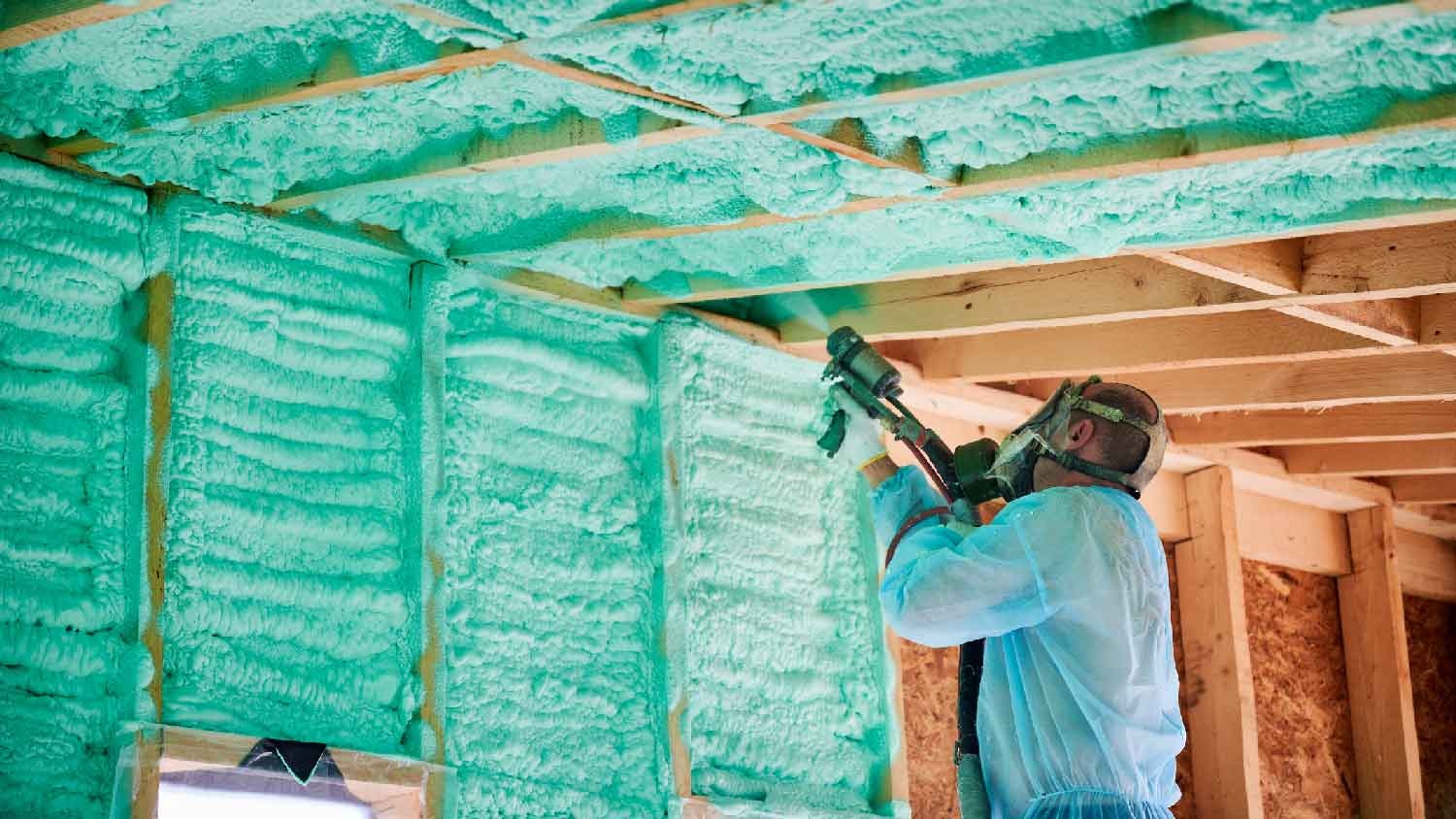
When homeowners invest in insulation, one of the most important questions they ask is: How long will it last? In Missouri's demanding climate—marked by humid summers, cold winters, and wide temperature swings—insulation must withstand constant stress year after year.
Spray foam insulation is often described as a long-term solution, but what does that actually mean in real-world terms? Understanding the lifespan of spray foam, how it performs over decades, and what makes it different from traditional materials helps homeowners make informed, confident decisions.
Spray Foam Insulation Is Designed to Last the Life of the Home
When properly installed, spray foam insulation is not considered a temporary or replaceable product. It is designed to remain effective for the entire lifespan of the structure.
**Unlike fiberglass or cellulose, spray foam:**
Does not settle or compress
Does not shift out of place
Does not degrade from normal temperature changes
Once cured, spray foam becomes a stable part of the building envelope. Many manufacturers and industry experts estimate its lifespan at 50 years or more, often matching the life expectancy of the home itself.
Why Missouri's Climate Demands Durable Insulation
**Missouri homes experience:**
High summer humidity
Extreme heat waves
Freezing winter temperatures
Rapid seasonal transitions
These conditions cause materials to expand, contract, and absorb moisture. Over time, traditional insulation materials can break down under these stresses.
Spray foam insulation is uniquely suited to Missouri's environment because it resists moisture, maintains its shape, and remains firmly adhered to surfaces. This stability allows it to perform consistently through decades of climate cycles.
Open-Cell vs. Closed-Cell Spray Foam Lifespan
Both types of spray foam insulation offer long-term durability, but their performance characteristics differ slightly.
**Open-Cell Spray Foam**
Softer, flexible structure
Excellent air sealing
Long-lasting when installed in dry, protected areas
Maintains performance for decades
Open-cell spray foam performs exceptionally well in interior spaces such as walls and conditioned attics where moisture exposure is controlled.
**Closed-Cell Spray Foam**
Dense, rigid structure
High resistance to moisture
Adds structural reinforcement
Extremely durable in harsh environments
Closed-cell spray foam is often chosen for crawl spaces, basements, exterior walls, and areas exposed to higher moisture levels. Its rigidity and moisture resistance make it especially durable in Missouri homes.
Performance That Doesn't Fade Over Time
One of the biggest advantages of spray foam insulation is that its performance remains consistent.
**Traditional insulation materials can lose effectiveness due to:**
Settling or sagging
Air movement through fibers
Moisture absorption
Compression over time
**Spray foam, on the other hand, maintains:**
Consistent R-value
Complete air sealing
Structural stability
The insulation you install today performs the same decades later, eliminating the need for topping off or replacement.
Long-Term Energy Efficiency Benefits
Because spray foam does not degrade, its energy-saving benefits continue year after year.
**Homeowners experience:**
Stable heating and cooling costs
Reduced seasonal energy spikes
Less strain on HVAC systems
Over time, these savings can add up significantly. While spray foam may have a higher upfront cost, its long-term efficiency often results in lower total ownership costs compared to insulation that must be replaced or supplemented.
Moisture Resistance Protects Longevity
Moisture is one of the most common causes of insulation failure. When traditional insulation absorbs moisture, it loses effectiveness and can even contribute to mold growth.
**Spray foam insulation:**
Does not absorb water
Limits moisture intrusion through air sealing
Reduces condensation inside walls
This moisture resistance protects both the insulation and the surrounding building materials, helping preserve the home's structure over decades.
Structural Stability Adds to Longevity
Closed-cell spray foam provides added structural strength by bonding to framing and sheathing. This reinforcement:
Reduces movement in walls and roof assemblies
Improves resistance to environmental stress
Helps insulation remain intact over time
While this structural benefit is often overlooked, it contributes to the long-term durability of the entire building envelope.
Minimal Maintenance Over Decades
One of the reasons spray foam lasts so long is that it requires virtually no maintenance. Unlike traditional insulation that may need replacement or repair, spray foam remains in place and continues performing without intervention.
**There is typically no need for:**
Re-insulating
Topping off material
Addressing sagging or gaps
Once installed correctly, spray foam becomes a "set-and-forget" solution.
Installation Quality Matters
The lifespan of spray foam insulation depends heavily on proper installation. Professional application ensures:
Correct thickness and coverage
Complete air sealing
Proper curing conditions
Compliance with building standards
When installed by trained professionals, spray foam delivers its full lifespan potential and long-term performance.
How Spray Foam Compares Over Time
**Over a 30- to 50-year period:**
Fiberglass insulation may require replacement or supplementation
Cellulose may settle and lose effectiveness
Spray foam continues performing at original levels
This difference makes spray foam a true long-term investment rather than a recurring expense.
Final Thoughts: Built for Decades of Performance
For Missouri homeowners seeking insulation that can withstand humidity, temperature extremes, and the test of time, spray foam insulation offers unmatched longevity.
Its resistance to moisture, stable performance, and minimal maintenance requirements allow it to deliver consistent comfort and energy savings for decades—often for the life of the home.
When properly installed, spray foam insulation is not something you'll need to think about again. And that's exactly what makes it one of the most durable and reliable insulation options available.