
How Spray Foam Helps Homes Stay Comfortable Longer Without HVAC Running
Discover why well-insulated homes maintain comfortable temperatures longer when heating and cooling systems cycle off, and how spray foam insulation makes this possible.
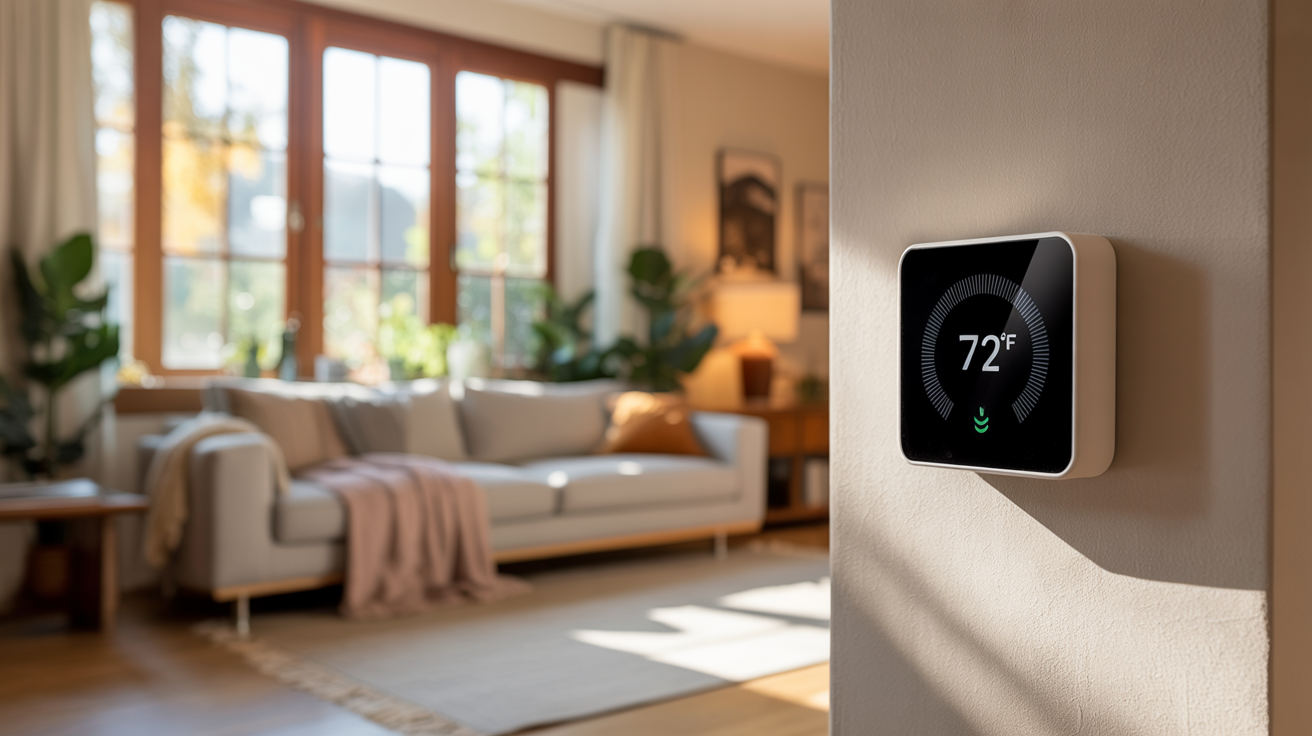
Have you ever noticed how quickly your home loses its comfortable temperature once the furnace or air conditioner shuts off? Within minutes, the warmth you just paid to create begins escaping, or the cool relief from summer heat starts fading away. For many homeowners across Springfield, Nixa, Ozark, and Republic, this rapid temperature swing feels unavoidable.
But it doesn't have to be.
The speed at which a home loses its conditioned air reveals something important about its thermal envelope. Homes that hold comfortable temperatures longer require less energy to maintain those conditions, experience fewer HVAC cycles, and provide more consistent comfort throughout the day and night.
Why Most Homes Lose Temperature So Quickly
When your heating or cooling system completes a cycle and shuts off, the interior temperature immediately begins moving toward outdoor conditions. In winter, warmth migrates outward through walls, ceilings, and floors. In summer, heat pushes inward from every exterior surface.
The rate of this temperature change depends almost entirely on two factors: how well the building envelope resists heat transfer, and how effectively it prevents air from moving between inside and outside.
Most homes built before modern energy codes have significant deficiencies in both areas. Walls contain minimal insulation with gaps and voids. Attics have settled or compressed materials that no longer perform as intended. And perhaps most importantly, countless small openings throughout the structure allow conditioned air to escape and outdoor air to infiltrate continuously.
This combination means the temperature you worked to achieve starts degrading the moment your equipment stops running.
The Role of Air Movement in Temperature Loss
Many homeowners assume that adding more insulation automatically solves comfort problems. While insulation certainly helps, it addresses only half the equation.
Air leakage represents the more significant challenge in most structures. Even well-insulated walls lose their effectiveness when air flows freely through and around the insulating material. Cold winter air entering through gaps in the building envelope doesn't just feel uncomfortable—it carries away the heat your furnace just produced. Similarly, hot summer air infiltrating through cracks and penetrations brings humidity and warmth that your air conditioner must then remove.
Traditional insulation materials like fiberglass batts slow down heat transfer through conduction, but they do nothing to stop air movement. In fact, air flowing through fiberglass dramatically reduces its stated insulating value. This explains why some homes with seemingly adequate insulation levels still experience rapid temperature swings and high energy bills.
We've explored this relationship between air sealing and energy costs in our article about the hidden expenses of poor insulation, which details how air leakage compounds heating and cooling costs over time.
Understanding Thermal Retention
Thermal retention describes a home's ability to maintain its interior temperature without active heating or cooling. A home with excellent thermal retention might hold a comfortable 70 degrees for hours after the HVAC system cycles off, while a poorly sealed home might drift several degrees within thirty minutes.
This quality matters for several practical reasons. Homes with better thermal retention require shorter and less frequent equipment cycles. The HVAC system runs for a period, achieves the target temperature, then rests while the building naturally holds that condition. This reduces energy consumption, decreases wear on mechanical equipment, and creates more stable comfort throughout each day.
Poor thermal retention creates the opposite pattern. Equipment runs longer to overcome continuous losses, cycles more frequently as temperature drifts quickly, and struggles to maintain even conditions in different rooms. Many homeowners describe this as the system running constantly without ever achieving true comfort.
How Spray Foam Changes the Equation
Spray foam insulation addresses both thermal resistance and air sealing simultaneously, which is why it produces such dramatically different results compared to traditional materials.
When professionally applied, spray foam expands to fill every gap, crack, and irregularity in the building assembly. It adheres directly to framing, sheathing, and other surfaces, creating a continuous barrier that stops both heat transfer and air movement. There are no seams to separate, no gaps to develop over time, and no pathways for air to bypass the insulation.
This dual functionality explains why homes insulated with spray foam often maintain temperatures for extended periods after HVAC systems cycle off. Without constant air exchange with the outdoors, the interior environment remains stable. The building becomes more like a thermos than a strainer.
The professional installation process matters significantly for achieving these results. As we've detailed in our guide to what happens during spray foam installation, proper application requires specific equipment, trained technicians, and attention to coverage that ensures the continuous barrier performs as intended.
Practical Benefits for Daily Living
The improvements in thermal retention translate directly to daily comfort in ways homeowners notice immediately.
Morning temperatures in winter remain closer to evening settings, eliminating that shock of cold floors and chilly rooms before the furnace catches up. Summer afternoons stay comfortable longer, even as outdoor temperatures climb. Rooms throughout the house maintain more consistent conditions rather than some running hot while others feel cold.
These comfort improvements happen because the building envelope now works effectively. Instead of fighting a constant battle against outdoor conditions, the HVAC system maintains comfortable temperatures with much less effort. Equipment cycles become shorter and less frequent, yet comfort improves substantially.
For Missouri's challenging climate, which brings both freezing winters and humid summers, this thermal stability proves particularly valuable. We've discussed how spray foam performs across these seasonal extremes in our article about spray foam for Missouri's humid summers, where moisture control compounds the comfort benefits.
Long-Term Performance Considerations
Unlike some building materials that degrade or settle over time, spray foam maintains its thermal and air sealing properties indefinitely under normal conditions. The performance you experience after installation continues for the life of the structure.
This durability makes spray foam a genuine long-term investment rather than a temporary fix. The energy savings accumulate year after year, and the comfort improvements remain consistent throughout decades of ownership.
The stability also benefits your HVAC equipment. Systems that cycle less frequently and run for shorter periods experience reduced mechanical wear. Compressors, blower motors, and other components last longer when they operate within designed parameters rather than running continuously in a losing battle against a leaky building envelope.
What Thermal Retention Means for Energy Costs
When your home holds comfortable temperatures longer, every aspect of heating and cooling becomes more efficient. The furnace or air conditioner runs fewer total hours each day. Each cycle achieves its purpose more effectively because conditioned air remains inside rather than escaping immediately.
These efficiency gains compound over time. A home that reduces HVAC runtime by even twenty percent saves that percentage on heating and cooling costs every month, every year, for as long as the insulation performs. Over a decade or two of homeownership, these savings become substantial.
More importantly, the comfort improvements happen immediately. From the first day after installation, you'll notice that temperatures hold steadier, rooms feel more comfortable, and your equipment runs less aggressively. As we've covered in our discussion of spray foam durability, these benefits continue for fifty years or more.
Building Lasting Comfort
The difference between a home that loses temperature quickly and one that maintains conditions for hours comes down to building science fundamentals. Effective insulation combined with comprehensive air sealing creates an envelope that works with your heating and cooling system rather than against it.
Spray foam insulation delivers both properties in a single application, which is why it produces results that traditional materials simply cannot match. Homes treated with spray foam hold comfortable temperatures longer, require less energy to maintain those temperatures, and provide more consistent comfort from room to room and season to season.
For homeowners throughout Southwest Missouri tired of watching hard-earned comfort disappear minutes after the thermostat clicks off, spray foam offers a permanent solution that pays dividends in comfort and efficiency for decades to come.