
How Spray Foam Insulation Supports Solar-Ready and Energy-Efficient Homes
Solar panels generate electricity, but insulation determines how much you actually need. Learn why reducing energy demand through proper air sealing is the essential first step toward a solar-ready home, and how spray foam insulation helps homeowners maximize their renewable energy investment.
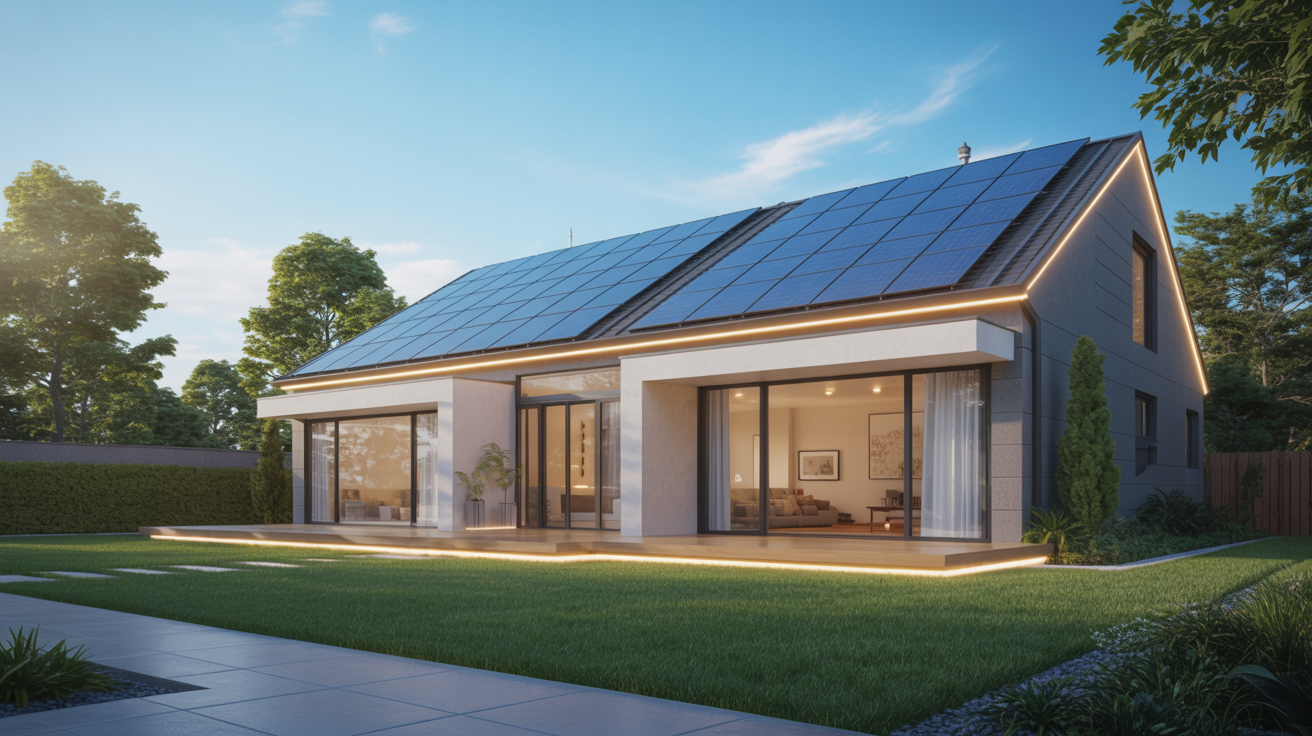
Homeowners increasingly view solar panels as the pathway to energy independence and lower utility costs. The appeal is understandable—generating your own electricity from sunlight feels like a straightforward solution to rising energy prices. However, the effectiveness of any solar installation depends heavily on a factor many homeowners overlook: how much energy their home actually requires. Before adding panels to the roof, addressing the building envelope through proper insulation creates the foundation that makes renewable energy truly worthwhile.
The Overlooked Foundation of Energy Independence
Every kilowatt-hour of electricity your home consumes must come from somewhere. Solar panels can certainly generate that power, but the quantity of panels required—and their associated costs—scales directly with your home's energy appetite. A house that leaks conditioned air and struggles to maintain comfortable temperatures will demand far more electricity than one with a properly sealed building envelope.
This relationship explains why energy professionals consistently recommend reducing consumption before adding generation capacity. Fixing the problems that waste energy costs less than installing additional solar capacity to compensate for that waste. More importantly, a tighter, better-insulated home continues saving energy regardless of whether the sun shines or clouds gather overhead.
The concept applies equally to heating and cooling loads. Missouri homes face substantial climate demands throughout the year, from humid summer heat to bitter winter cold. Homes that leak air and transfer heat through poorly insulated walls require oversized heating and cooling equipment running longer cycles to maintain comfort. This elevated baseline consumption directly increases the solar capacity needed to offset utility costs.
How Air Leakage Undermines Solar Investments
Air infiltration represents the single largest source of energy waste in most residential buildings. Gaps around windows, doors, electrical penetrations, and framing connections allow conditioned air to escape while outdoor air enters unchecked. This constant air exchange forces heating and cooling systems to work continuously, consuming electricity that solar panels must then replace.
The mathematics work against homeowners who install solar without first addressing air leakage. Consider a home losing thirty percent of its conditioned air through envelope defects. That home requires correspondingly more energy to maintain comfortable temperatures—energy that solar panels must generate. Installing additional panels to cover this waste makes the entire system larger and more expensive than necessary.
We've covered this phenomenon extensively in our article about why spray foam is ideal for Missouri's humid summers. The moisture control and air sealing benefits of spray foam directly reduce the cooling loads that drive summer electricity consumption. Eliminating air leakage before solar installation means smaller systems can achieve the same energy offset targets.
The Insulation-HVAC-Solar Connection
Heating and cooling equipment selection depends on calculated loads—the amount of heating or cooling capacity needed to maintain comfortable temperatures. These calculations account for insulation levels, air infiltration rates, window performance, and climate conditions. Better insulation and tighter construction reduce calculated loads, allowing smaller, more efficient equipment to handle the home's needs.
This sizing relationship cascades into solar planning. Smaller HVAC equipment consumes less electricity per operating hour. Tighter construction means equipment runs fewer hours to maintain comfort. The combined effect dramatically reduces total energy consumption, which directly determines how many solar panels achieve meaningful utility offset.
Homes retrofitted with spray foam insulation often discover their existing HVAC equipment is significantly oversized for the improved building envelope. While this doesn't immediately require equipment replacement, it does highlight how much the original installation overcompensated for envelope deficiencies. Future equipment replacements can specify smaller, more efficient units that further reduce energy consumption.
Why Traditional Insulation Limits Solar Effectiveness
Fiberglass batts and blown cellulose provide thermal resistance but offer no meaningful air sealing capability. Air moves freely through and around these materials, carrying heat and humidity regardless of how much insulation is present. Homes insulated with traditional materials continue experiencing significant air leakage even when insulation levels meet or exceed code requirements.
This limitation directly impacts solar effectiveness. A home might have adequate R-value in walls and ceilings yet still waste substantial energy through air infiltration. Solar panels installed on such homes work harder to offset preventable losses rather than covering actual comfort needs. The gap between insulation performance and air sealing performance determines how much solar capacity goes toward compensating for building defects rather than meeting legitimate energy demands.
As explained in our guide on professional spray foam installation, spray foam addresses both thermal resistance and air sealing simultaneously. The material expands to fill every gap and irregularity in the building assembly, creating a continuous barrier that stops both heat transfer and air movement. This dual function makes spray foam uniquely suited for preparing homes for solar installation.
Preparing Homes for Net-Zero Performance
Net-zero homes generate as much energy as they consume over the course of a year. Achieving this balance requires minimizing consumption first, then sizing renewable generation to match the reduced demand. Homes with inefficient envelopes face mathematical challenges reaching net-zero—the solar capacity required may exceed available roof space or reasonable budget constraints.
Spray foam insulation helps homes approach net-zero targets by dramatically reducing baseline consumption. The air sealing properties eliminate infiltration losses that traditional insulation cannot address. The high R-value per inch reduces heat transfer through building assemblies. Together, these improvements can cut heating and cooling energy consumption by forty percent or more compared to conventionally insulated homes.
This reduction translates directly into solar system sizing. A home that previously required a ten-kilowatt solar array to offset consumption might achieve similar results with a six-kilowatt system after spray foam installation. The smaller system costs less to install, requires less roof space, and produces the same effective energy independence.
The Sequence That Maximizes Investment Value
Energy professionals recommend a specific sequence for homeowners pursuing efficiency and renewable generation: reduce consumption first, then add solar capacity to meet the reduced demand. This approach maximizes the value of every dollar spent and avoids the common mistake of oversizing solar systems to compensate for preventable losses.
The sequence makes financial sense. Every dollar spent reducing energy consumption through insulation improvements provides returns year after year regardless of weather conditions or solar production variability. Solar panels produce electricity only when conditions allow—cloudy days, winter months with shorter daylight hours, and panel degradation over time all affect generation. Insulation improvements perform consistently throughout the home's lifetime.
We've discussed the durability advantage extensively in our article about what makes spray foam a long-term investment. The cured material maintains its performance indefinitely, providing consistent energy savings decade after decade. Solar panels eventually require replacement, but spray foam insulation continues delivering value throughout the life of the building.
Sustainability Beyond Energy Production
True sustainability encompasses more than electricity generation. The environmental impact of manufacturing, transporting, and installing building materials matters alongside operational energy consumption. Reducing the size of required solar installations through efficiency improvements means fewer panels manufactured, shipped, and eventually disposed of or recycled.
Spray foam insulation contributes to sustainability through longevity and performance stability. Unlike fibrous insulation that can settle, absorb moisture, or lose effectiveness over time, spray foam maintains its original performance characteristics indefinitely. You can learn more about this durability in our previous post on how long spray foam insulation lasts. This permanence means the energy savings achieved through spray foam installation continue for the entire useful life of the building without degradation or replacement requirements.
The building envelope improvements also reduce strain on utility infrastructure. Homes that consume less energy place smaller demands on the electrical grid, reducing the need for additional generation capacity and transmission infrastructure. This broader benefit extends beyond individual homeowner savings to community-wide resource efficiency.
Missouri Climate Considerations
Missouri's variable climate creates particular challenges for solar-only approaches to energy independence. Summer humidity drives substantial cooling loads that can exceed solar production capacity during peak demand periods. Winter heating requirements occur precisely when solar production reaches annual minimums due to shorter days and lower sun angles.
Spray foam insulation moderates both seasonal extremes. The air sealing properties prevent humid outdoor air from infiltrating during summer, reducing both cooling loads and dehumidification requirements. Winter performance benefits from eliminated air leakage that would otherwise draw cold air into the building while allowing heated air to escape through the countless small openings present in conventional construction.
This year-round performance optimization helps Missouri homeowners achieve more consistent energy independence. Solar production naturally varies with seasons, but consumption also varies—and spray foam helps minimize consumption during precisely the periods when solar production is limited. The result is better alignment between generation and demand throughout the year.
Planning for Future Energy Technologies
Building science continues advancing, and energy technologies evolve rapidly. Homes prepared with high-performance building envelopes position themselves to benefit from future innovations regardless of what specific technologies emerge. Whether battery storage, advanced heat pumps, or technologies not yet developed, efficient homes require less capacity from any energy system.
Spray foam installation represents permanent infrastructure improvement that enhances the value of any future energy technology investment. The reduced consumption baseline means smaller battery systems can provide meaningful backup capacity, smaller solar arrays can achieve greater energy independence, and advanced HVAC equipment can deliver superior performance with modest energy input.
Building the Foundation First
Solar panels capture attention with their visible promise of clean energy generation. However, the invisible improvements within walls, attics, and crawl spaces determine whether that promise translates into meaningful energy independence. Spray foam insulation creates the foundation that makes solar investments genuinely effective rather than merely compensating for preventable energy waste.
For Missouri homeowners considering the path toward energy independence, the sequence matters. Addressing the building envelope through comprehensive air sealing and insulation reduces consumption to levels that modest solar installations can meaningfully offset. The resulting homes perform better, cost less to operate, and achieve energy goals more reliably than homes where solar installation precedes envelope improvements.
The most energy-independent homes combine excellent insulation with appropriately sized renewable generation. Spray foam provides the building envelope performance that makes this combination achievable, creating comfortable, efficient homes prepared for whatever energy future emerges. Efficiency first, generation second—that sequence delivers the greatest value and the most reliable results for homeowners pursuing genuine energy independence.