
How Spray Foam Helps Homes Recover Faster After Power Outages
When the power goes out, well-insulated homes maintain comfortable temperatures far longer than conventionally built houses. Understanding how insulation creates thermal resilience reveals why some families weather outages comfortably while others face immediate discomfort and potential safety concerns.
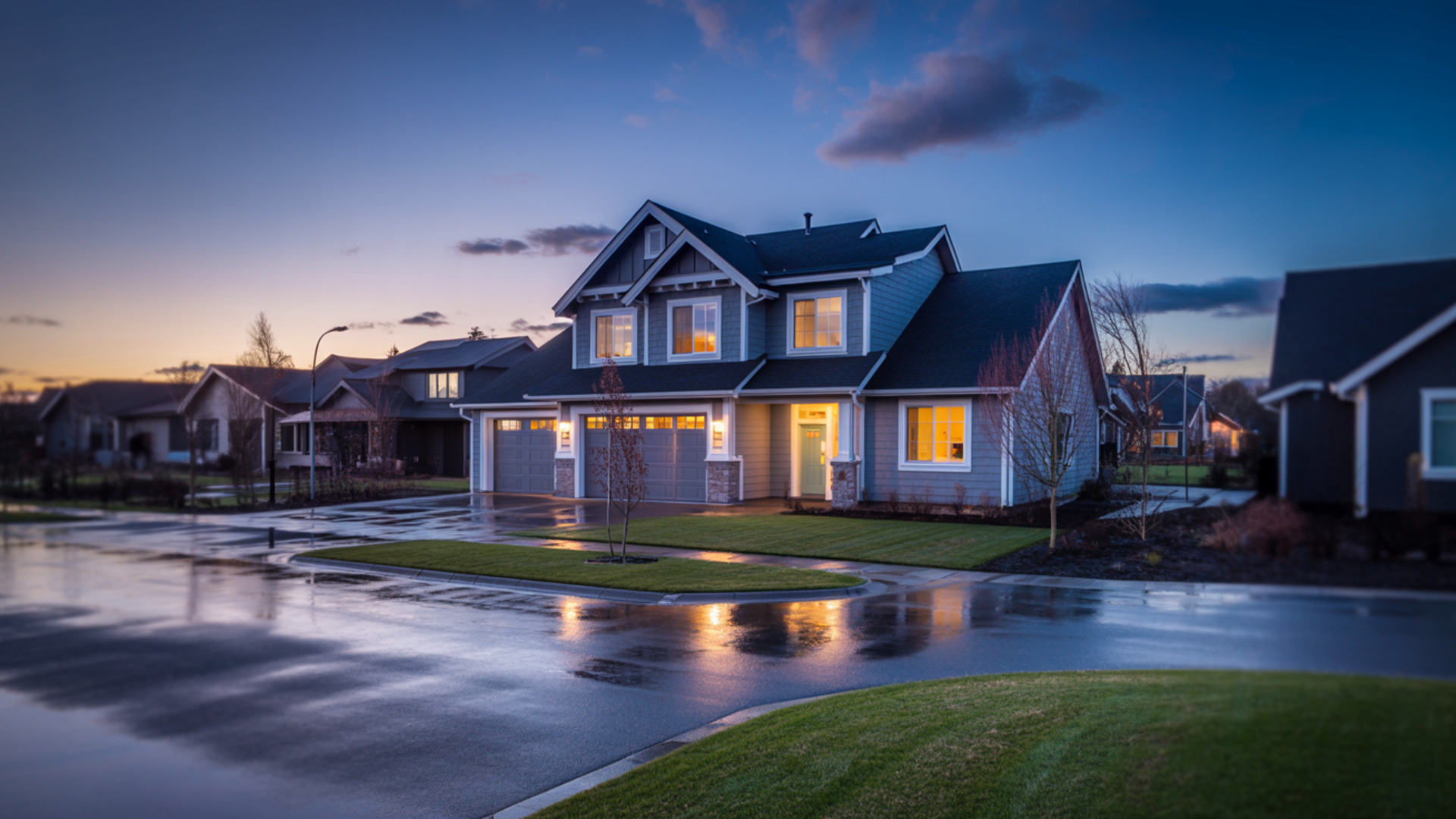
Power outages arrive without warning. A summer storm downs transmission lines, winter ice accumulates on power equipment, or equipment failures interrupt service during the hottest or coldest stretches of the year. In those first minutes after the lights go dark and the HVAC system falls silent, the difference between homes becomes starkly apparent. Some houses begin losing their comfortable temperature almost immediately, while others maintain stable conditions for hours or even days depending on season and outdoor conditions.
The distinction comes down to how effectively the building envelope resists heat transfer and prevents air exchange with the outdoors. In well-insulated, properly sealed homes, the conditioned air inside behaves like water in an insulated bottle—maintaining its temperature for extended periods even without active climate control. Poorly insulated homes, by contrast, function more like open containers where temperature equalizes with outdoor conditions rapidly and relentlessly.
What Actually Happens When Climate Control Stops
Most homeowners never think about what their HVAC system does until it stops doing it. That continuous background operation maintains indoor temperatures despite constant thermal pressure from outside. Heat always flows from warmer areas toward cooler ones, and the only thing preventing indoor temperatures from matching outdoor conditions is the resistance your home's envelope provides.
When power fails, this thermal reality becomes immediately evident. During winter, heat begins migrating through walls, ceilings, windows, and every gap in the building envelope toward the colder outdoors. During summer, the process reverses—outdoor heat pushes relentlessly inward, warming the interior despite occupants' preferences. The rate of this temperature change depends entirely on how much resistance the building envelope provides.
In conventionally insulated homes with typical air leakage, indoor temperatures can shift noticeably within the first hour of an outage. A seventy-degree interior might drop to sixty-five degrees or climb to seventy-five degrees depending on season and outdoor conditions. After several hours, the temperature differential grows more pronounced, creating genuine discomfort and, in extreme cases, safety concerns for vulnerable household members.
The Compound Effect of Air Infiltration
Heat transfer through solid building assemblies represents only part of the temperature loss equation during outages. Air leakage—the countless small gaps and penetrations that allow outdoor air to enter while conditioned indoor air escapes—accelerates temperature changes dramatically. These infiltration pathways essentially short-circuit whatever thermal resistance the insulation provides, allowing direct air exchange that bypasses the insulated envelope entirely.
Stack effect drives much of this air movement. In winter, warm interior air rises naturally and escapes through upper-level openings while cold outdoor air enters through lower-level gaps to replace it. This continuous circulation operates whether the HVAC system runs or not, but becomes particularly noticeable during outages when no forced-air system masks the drafts and cold spots that air infiltration creates.
Summer outages face similar challenges from a different direction. Hot outdoor air infiltrates through the same openings, warming the interior rapidly while any remaining cool air escapes through upper openings. The thermal momentum of this natural convection proves surprisingly powerful—homes with significant air leakage can experience temperature shifts of ten to fifteen degrees within just a few hours of losing power during extreme weather.
We've covered how air sealing affects overall comfort in our article about what makes spray foam a long-term investment. The continuous barrier that quality insulation and air sealing creates becomes especially valuable during power interruptions when passive thermal resistance represents the only defense against outdoor conditions.
Creating Thermal Mass Through Effective Insulation
Well-insulated homes function fundamentally differently during outages. The combination of high R-value insulation and comprehensive air sealing transforms the building envelope into a thermal barrier that significantly slows temperature exchange. Instead of matching outdoor conditions within hours, properly insulated homes can maintain comfortable interior temperatures for extended periods depending on how extreme outdoor conditions are.
This thermal retention operates through two mechanisms. First, the insulation itself provides substantial resistance to heat flow through walls, ceilings, and floors. Heat that must conduct through six inches of spray foam moves far more slowly than heat passing through poorly insulated assemblies with thermal bypasses. Second, the air sealing eliminates the infiltration pathways that allow direct air exchange—the convective heat transfer that often dominates energy loss in conventional construction.
The practical result is a home that holds its temperature similar to how a well-insulated cooler maintains ice or how a thermos keeps beverages hot. The conditioned air inside remains relatively stable, changing temperature slowly enough that occupants experience minimal discomfort even during multi-hour outages. A house at seventy degrees might only drift to sixty-eight or seventy-two degrees after three or four hours without power—a manageable deviation that rarely requires emergency measures.
As explained in our guide on how spray foam performs in Missouri's climate, the extreme temperature swings common to this region make thermal retention especially valuable. Summer heat waves and winter cold snaps represent precisely the conditions when extended power outages pose the greatest comfort and safety risks.
Why Recovery Speed Matters
Power restoration represents only half the challenge during outages. Once electricity returns, HVAC systems must work to restore comfortable temperatures—and the magnitude of that recovery task depends entirely on how much temperature drift occurred during the outage. Homes that maintained relatively stable conditions require minimal recovery time and energy. Homes that experienced dramatic temperature swings face extended recovery periods with corresponding energy consumption.
A house that remained within a few degrees of its thermostat setting might achieve full comfort within twenty or thirty minutes of power restoration. The HVAC system runs one or two normal cycles, and conditions return to normal. Contrast this with a poorly insulated home that lost fifteen or twenty degrees during the same outage. The heating or cooling equipment must run continuously for hours, working at maximum capacity to overcome the accumulated temperature deficit.
This extended recovery operation stresses HVAC equipment significantly. Compressors and furnaces running continuously at extreme temperature differentials work harder than during normal cycling operation. This strain accelerates wear on mechanical components, increases the likelihood of system failures, and consumes substantially more energy than maintaining steady-state conditions. A single extended outage followed by hard recovery can impose as much equipment stress as weeks of normal operation.
The financial implications extend beyond equipment wear. The energy consumed during aggressive recovery cycles appears directly on utility bills. A home requiring four hours of continuous HVAC operation to restore comfortable conditions after an outage uses considerably more electricity or gas than one requiring only brief supplemental conditioning.
Protecting Vulnerable Household Members
Power outages pose genuine safety concerns for certain household members. Very young children, elderly family members, and anyone with health conditions sensitive to temperature extremes can face medical risks when indoor temperatures deviate significantly from comfortable ranges. Heat stress develops surprisingly quickly in hot environments, while hypothermia concerns arise during extended cold exposure.
Well-insulated homes provide meaningful protection during these situations. The thermal stability that makes outages more comfortable also buys time—time to implement alternative heating or cooling measures, time to arrange relocation if necessary, or simply time to wait for power restoration without facing immediate safety concerns. A home that maintains livable temperatures for six or eight hours during an outage provides options that homes experiencing rapid temperature loss cannot offer.
This resilience proves particularly valuable during the extended outages that accompany major weather events. When severe storms knock out power across wide areas, restoration times extend to days rather than hours. Under these conditions, the difference between homes becomes genuinely significant. Families in well-insulated houses can remain comfortably and safely at home through the outage, while those in poorly insulated homes may face difficult decisions about alternative accommodation.
You can learn more about the comprehensive benefits of proper insulation in our previous post on professional spray foam installation. The air-tight envelope that installation creates delivers value across multiple scenarios, with power outage resilience representing one particularly important benefit.
Long-Term Resilience Planning
Climate patterns suggest increasingly frequent extreme weather events—the precise conditions most likely to cause power disruptions. Summer heat waves strain electrical grids to their limits, increasing the likelihood of brownouts or rolling blackouts. Winter storms create the ice accumulation and wind damage that physically interrupts power transmission. In this environment, home resilience represents practical preparation rather than theoretical concern.
Spray foam insulation transforms homes into inherently more resilient structures. The thermal performance that saves energy during normal operation automatically provides protection during outages. No additional systems or equipment require installation—the building envelope itself functions as a passive thermal buffer that requires no power, maintenance, or active operation to deliver its benefits.
This resilience extends beyond simple comfort into practical emergency preparedness. During widespread outages when hotels fill quickly and alternative accommodation becomes scarce, the ability to remain comfortably at home eliminates significant logistical challenges. Food preservation becomes easier when refrigerators don't face immediate temperature challenges. Home-based medical equipment faces less strain when operating environments remain stable.
As detailed in our article about spray foam's long-term durability, these performance benefits persist indefinitely. Unlike fibrous insulation that can settle or degrade, properly installed spray foam maintains its thermal resistance and air-sealing characteristics throughout the life of the building. The resilience investment made today continues delivering value decades into the future.
The Quiet Benefit Nobody Considers
Insurance against discomfort rarely motivates home improvement decisions. Homeowners invest in better insulation primarily for energy savings, improved comfort during normal operation, or increased property value. The power outage benefits remain largely invisible until actually needed—and then become immediately and dramatically apparent.
This represents the nature of resilience generally. The fire extinguisher mounted to the kitchen wall delivers no daily value, yet everyone recognizes its importance. Emergency savings accounts sit untouched for years, providing no apparent benefit until suddenly becoming essential. Well-insulated homes function similarly—delivering modest daily comfort and energy benefits while quietly providing substantial protection during the rare but significant events when that protection matters most.
Building Comfort That Lasts
Power outages remain inevitable facts of life, particularly in regions experiencing extreme weather. The severity of those outages and their impact on household comfort and safety depends significantly on how effectively homes resist temperature change. Buildings that function as thermal sieves experience rapid temperature swings that create discomfort, strain HVAC equipment during recovery, and potentially pose safety concerns during extended interruptions.
Properly insulated and sealed homes operate differently. The combination of high thermal resistance and comprehensive air sealing creates passive protection that requires no active systems or occupant intervention. Indoor temperatures remain stable far longer, recovery happens faster with less equipment strain, and household members experience minimal disruption even during multi-hour outages.
For Missouri families considering insulation improvements, understanding the complete value proposition reveals benefits extending beyond monthly utility savings. Energy efficiency matters, comfort during normal operation matters, and property value matters—but resilience during the challenging conditions when active climate control fails might matter most of all. That thermal stability represents insurance most homeowners never think about until the moment they need it, when the difference between comfort and genuine hardship becomes unmistakably clear.