
How Spray Foam Improves Comfort in Home Offices and Remote Work Spaces
Remote work demands consistent comfort that spare bedrooms and converted spaces rarely deliver. Learn how temperature fluctuations, background noise, and humidity issues undermine productivity, and why spray foam insulation creates the stable environment that focused work requires.
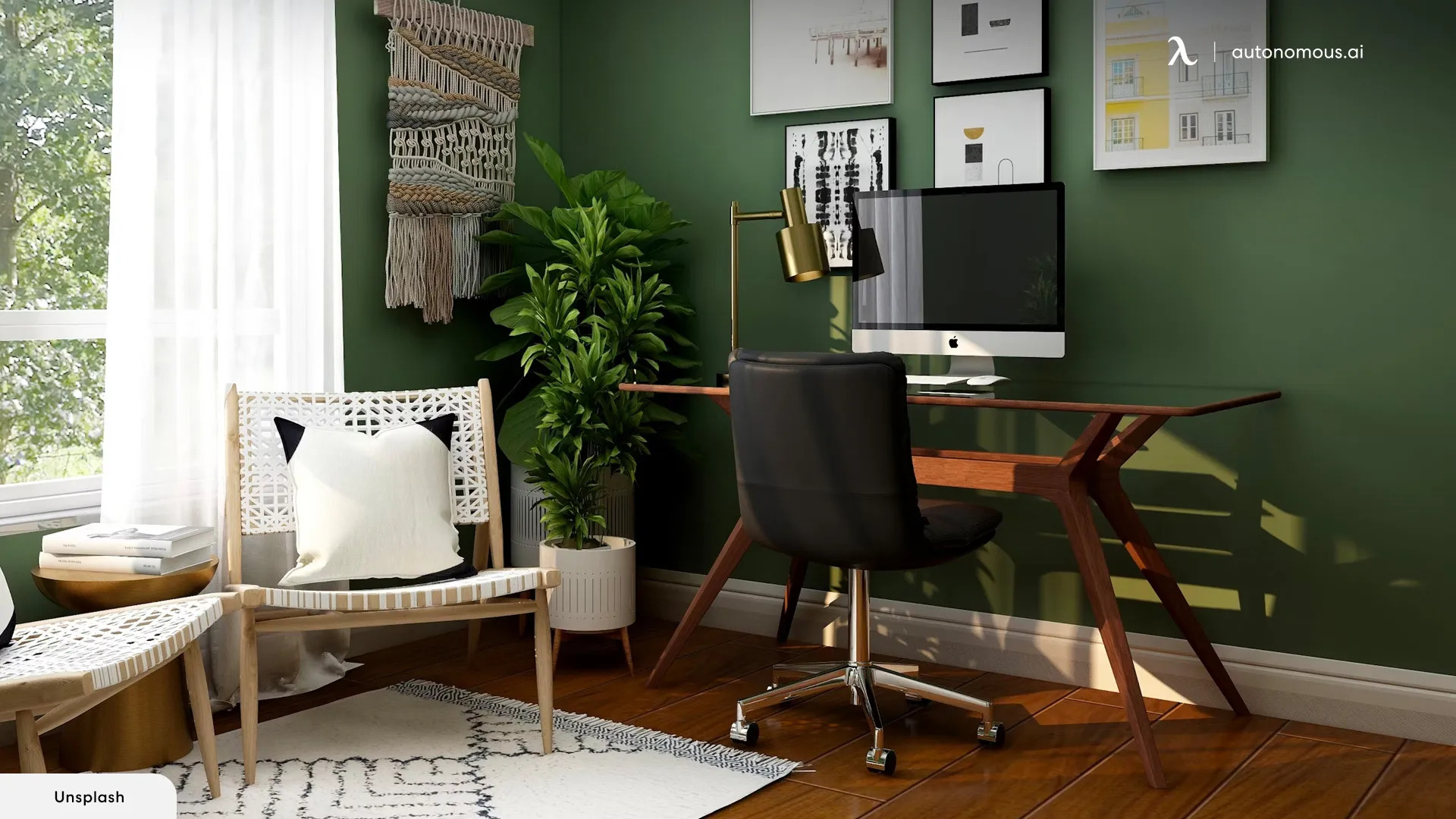
The shift toward remote work has transformed how millions of people think about their homes. Spare bedrooms, basement corners, and garage conversions now serve as full-time offices where important calls happen and deadlines get met. Yet many of these spaces were never designed for the sustained occupancy and focused attention that professional work demands. The environmental inconsistencies that go unnoticed during occasional weekend use become significant obstacles when you spend forty hours a week in that same room.
When Temperature Becomes a Distraction
Concentration requires comfort. This isn't a matter of preference—cognitive research consistently demonstrates that thermal discomfort impairs mental performance. When a room runs too warm, alertness decreases and fatigue sets in faster. When temperatures drop too low, the body diverts energy toward maintaining core warmth rather than supporting complex thought processes.
Home offices located in converted spaces face particular challenges with temperature stability. Rooms above garages experience dramatic swings as heat radiates through inadequately insulated floors. Attic conversions absorb solar heat throughout summer days, becoming uncomfortably warm precisely when afternoon productivity matters most. Basement offices trend toward persistent coolness that requires supplemental heating even during mild weather.
These temperature variations force constant adjustment—adding layers, removing them, adjusting thermostats, repositioning portable heaters. Each adjustment represents a break in concentration, a moment when attention shifts from work to physical discomfort. Over an eight-hour workday, these interruptions accumulate into meaningful productivity losses.
The Hidden Impact of Air Infiltration
Air leakage affects home offices in ways that general living spaces often mask. During a brief visit to a spare bedroom, minor drafts go unnoticed. Sitting at a desk for hours, however, reveals every whisper of cold air sneaking past window frames or through electrical outlets. These infiltration points create localized discomfort zones that make certain desk positions feel perpetually chilly regardless of thermostat settings.
Converted spaces typically contain more air leakage pathways than rooms originally designed as living areas. Garage conversions inherit the substantial gaps around overhead door openings, even when those doors have been removed and walls constructed in their place. Basement offices contend with rim joist infiltration and foundation penetrations. Bonus rooms above garages often connect to unconditioned spaces through unsealed floor assemblies.
We've covered how these infiltration patterns affect overall home comfort in our article about spray foam in multi-story homes. The vertical air movement and floor-to-floor temperature differences discussed there apply directly to home offices located in upper-level bonus rooms or converted attic spaces.
Sound Control for Professional Communication
Video conferences and client calls have become routine elements of remote work. The audio quality of these communications directly affects professional perception—background noise, echoes, and sound transmission from other parts of the house all detract from the polished impression that professional work requires.
Traditional insulation materials provide minimal sound attenuation. Fiberglass batts slow heat transfer but do little to block airborne sound. Voices, barking dogs, and household activities transmit readily through conventionally insulated walls, creating background noise that microphones readily capture. This sound transmission works both ways—conversations from the home office travel throughout the house, limiting privacy during sensitive discussions.
Spray foam insulation offers meaningful acoustic improvement through its air-sealing properties. Sound travels most efficiently through air pathways, and the continuous barrier that spray foam creates eliminates the gaps and channels that allow sound transmission. While not equivalent to professional soundproofing, the improvement over standard construction significantly enhances call quality and workspace privacy.
The density of closed-cell spray foam provides additional mass that further reduces sound transmission through wall assemblies. This combination of air sealing and added mass creates noticeably quieter workspaces, particularly when applied to walls separating home offices from busy household areas like kitchens or children's playrooms.
Humidity and Air Quality in Enclosed Spaces
Home offices represent sustained occupancy in relatively small footprints. A single person working in a ten-by-twelve room for eight hours generates considerable moisture through respiration and perspiration. Without adequate ventilation and moisture control, this humidity accumulates, creating stuffy conditions that impair comfort and concentration.
Converted spaces often lack the mechanical ventilation that purpose-built rooms include. Basement offices contend with moisture migration through foundation walls in addition to occupant-generated humidity. These elevated moisture levels promote musty odors, encourage dust mite populations, and create generally unpleasant working conditions.
Spray foam insulation addresses moisture challenges through its vapor-retarding properties. Closed-cell foam in particular prevents moisture from passing through wall and floor assemblies, eliminating the condensation problems that plague many basement conversions. The air-sealing characteristics also allow mechanical ventilation systems to work more effectively by preventing uncontrolled air exchange that would otherwise overwhelm humidity management efforts.
As explained in our guide on professional spray foam installation, proper application creates a continuous envelope that manages both air movement and moisture transmission. This comprehensive approach proves especially valuable in home office applications where sustained occupancy demands consistent environmental control.
Why Standard Insulation Falls Short in Conversions
Garage conversions and bonus room build-outs typically receive minimum-code insulation during construction. Fiberglass batts get stuffed into wall cavities, basic ceiling insulation goes overhead, and the project moves forward to finish work. This approach satisfies inspection requirements but fails to address the fundamental comfort limitations of these spaces.
The problem lies in air movement. Fiberglass provides thermal resistance only when air remains still within and around the material. In converted spaces with numerous penetrations, unsealed connections to unconditioned areas, and complex framing geometries, air circulates freely around insulation batts. This airflow carries heat directly through wall assemblies, effectively bypassing the insulation entirely.
Additionally, converted spaces often involve unusual construction details that standard insulation approaches handle poorly. Knee walls in attic conversions, floor assemblies over unconditioned garages, and foundation walls in basement offices all present challenges that fiberglass batts cannot adequately address. The result is comfortable-looking spaces that perform disappointingly in actual use.
Creating Consistent Conditions Through Air Sealing
Spray foam transforms converted spaces by addressing both thermal resistance and air sealing simultaneously. The material expands upon application to fill every gap, crack, and irregular surface in the building assembly. This creates an uninterrupted barrier that stops air infiltration completely, regardless of the complex geometries common in conversion projects.
For garage conversions, spray foam applied to the floor assembly eliminates the cold radiating from below that makes these spaces uncomfortable during winter months. The continuous coverage addresses the numerous penetrations for electrical, plumbing, and HVAC connections that riddle these assemblies.
Attic conversions benefit from spray foam applied to roof deck undersides, bringing the entire space within the conditioned envelope of the home. This approach eliminates the extreme temperature swings that make attic offices unbearable during summer afternoons. The space maintains conditions much closer to the rest of the house, requiring minimal supplemental heating or cooling to remain comfortable.
Basement home offices gain moisture control alongside thermal performance. Spray foam applied to foundation walls creates the vapor barrier these spaces need while providing insulation that keeps wall surfaces warm enough to prevent condensation.
The Productivity Return on Comfort Investment
Comfort improvements in home offices translate directly to productivity gains. Eliminating temperature distractions, reducing background noise, and maintaining consistent conditions throughout the workday allows sustained focus that interrupted comfort cannot support. For professionals whose income depends on concentrated work output, these improvements deliver tangible value.
We've discussed the financial perspective on spray foam in our article about what makes it a long-term investment. The same durability and performance stability that make spray foam valuable for whole-home applications apply equally to targeted improvements in home office spaces. The investment maintains its performance indefinitely, providing consistent comfort year after year without degradation.
Energy efficiency gains further support the investment case. Home offices that maintain comfortable temperatures without constant HVAC cycling consume less energy than poorly insulated spaces requiring supplemental heating and cooling. These efficiency improvements persist throughout the space's useful life, compounding savings over time.
Long-Term Value for Remote Work Reality
Remote and hybrid work arrangements show no signs of disappearing. If anything, the flexibility these arrangements provide has become an expected element of professional life for millions of workers. Homes that accommodate this reality effectively gain genuine functional value that affects both daily quality of life and eventual resale appeal.
You can learn more about how insulation improvements affect property values in our previous post on spray foam and home resale value. The comfort and efficiency benefits that make home offices more productive also make homes more attractive to buyers who expect functional remote work spaces.
Creating a truly comfortable home office requires addressing the building envelope deficiencies that make converted spaces problematic. Spray foam insulation provides the comprehensive solution—thermal resistance, air sealing, moisture control, and acoustic improvement in a single application. The result is a workspace that supports professional productivity through consistent, comfortable conditions regardless of season or weather.
For Missouri professionals navigating the realities of remote work, the home office environment directly affects work quality and personal wellbeing. Spray foam transforms marginal converted spaces into genuinely comfortable workspaces where focused work happens naturally. That transformation represents practical value that pays dividends every working day.