
Why Your Floors Feel Cold in Winter (Even When the Heat Is On)
Cold floors are one of the most common comfort complaints among Missouri homeowners. Learn why this happens and how spray foam insulation solves the problem at its source.
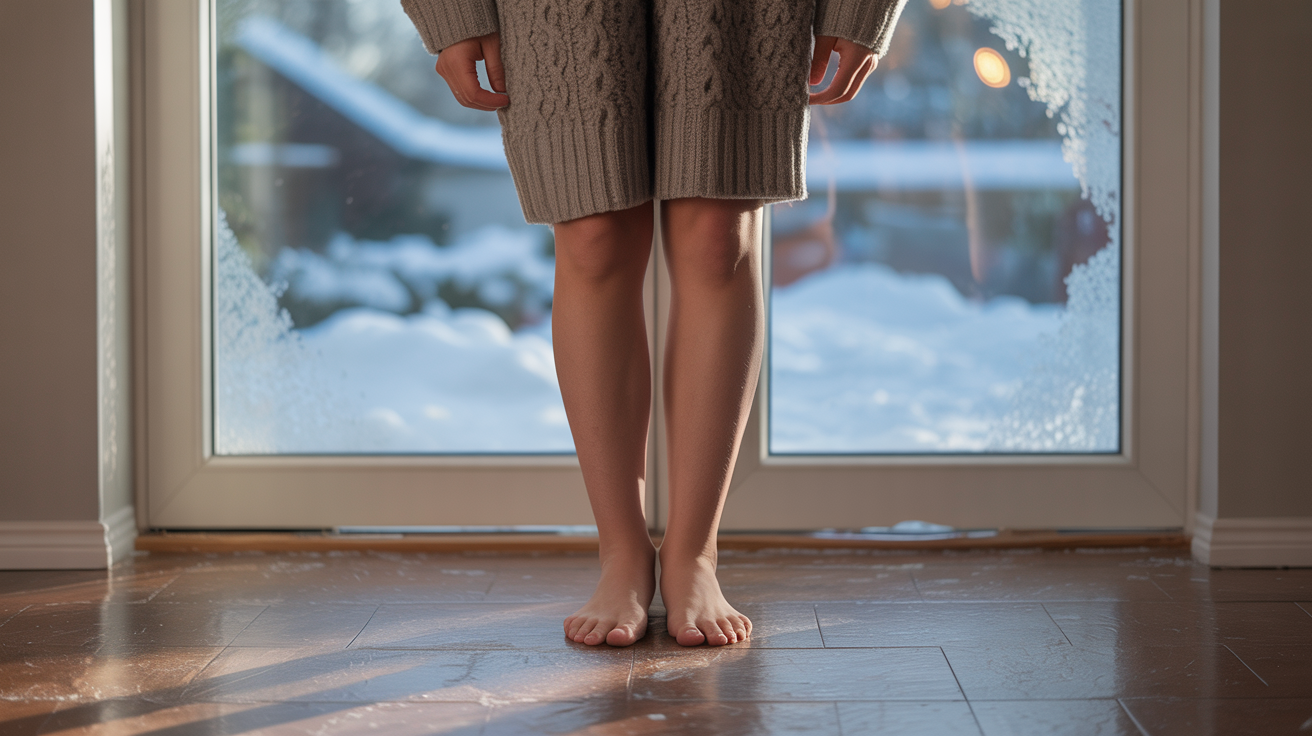
You set the thermostat to 72°. The air in the room feels warm. But the moment your feet hit the floor in the morning, you feel it — that uncomfortable chill that makes winter mornings in Missouri even harder.
Cold floors are one of the most common comfort complaints among homeowners in Springfield, Nixa, Ozark, Republic, and surrounding areas. And while many people assume it's just part of winter, the truth is different:
**Cold floors are usually a sign your home is leaking heat from below.**
If your floors feel cold even when the heat is running, your home may have insulation and air sealing issues — especially in the crawl space or rim joists. Let's break down why this happens and how spray foam insulation solves the problem at its source.
The Real Reason Your Floors Feel Cold
Cold floors aren't caused by your heating system failing. In most cases, your HVAC is doing its job. The problem is what's happening beneath your feet.
In Missouri homes — particularly older homes in Greene and Christian Counties — cold floors are often tied to:
- Vented crawl spaces - Poor or sagging fiberglass insulation - Air leaks at rim joists - Gaps around plumbing and wiring penetrations - Moisture-compromised insulation - The "stack effect" pulling cold air upward
Let's look at each one.
1. Your Crawl Space Is Letting Winter Air Inside
Many homes in the Springfield area are built over vented crawl spaces. The idea behind crawl space vents was once simple: allow airflow to prevent moisture buildup.
But in winter, those vents allow freezing outdoor air directly under your home.
That cold air:
- Cools the subfloor from below - Chills plumbing lines - Makes insulation less effective - Radiates cold into your living space
Even if your home's interior air is warm, the surface temperature of your floors drops because the space below them is freezing.
The result? Cold toes and an uncomfortable room — even when the thermostat says everything is fine.
2. Fiberglass Insulation Isn't Sealing the Problem
Many crawl spaces and floor systems in Missouri homes use traditional fiberglass batts installed between floor joists.
The problem is fiberglass does not stop air movement.
Fiberglass only slows down heat transfer in still air. When cold air flows through or around it, its performance drops significantly.
Common issues we see in Springfield-area crawl spaces include:
- Sagging or fallen batts - Gaps around edges - Rodent-damaged insulation - Wind washing through floor cavities - Moisture-soaked insulation
When fiberglass becomes damp (which is common in humid Missouri conditions), it loses insulating value and can even contribute to mold growth.
So while you technically "have insulation," it's not preventing cold air from affecting your floors.
3. Rim Joists Are Major Air Leakage Points
The rim joist — the perimeter framing where your floor system meets the foundation — is one of the biggest sources of air leakage in a home.
In winter, cold air infiltrates through:
- Small framing gaps - Foundation seams - Sill plate cracks - Utility penetrations
These gaps may look minor, but collectively they allow a surprising amount of cold air to enter.
Because rim joists sit directly beneath your exterior walls, cold air entering here spreads under the entire floor system.
This is why floors near exterior walls often feel even colder than those near interior areas.
4. The Stack Effect Is Working Against You
In winter, warm air rises and escapes through the upper parts of your home — attic leaks, recessed lights, vent penetrations, and other gaps.
As warm air escapes upward, it creates negative pressure below. That negative pressure pulls cold air into your home from the crawl space and lower levels.
This natural process is called the stack effect, and it's especially noticeable in two-story homes around Springfield and Ozark.
The result?
- Upstairs rooms may feel warmer - Lower floors feel colder - Floors near entryways and exterior walls are especially chilly
Even if your furnace is running constantly, the air pressure imbalance continues pulling cold air from below.
5. Moisture Makes Everything Worse
Missouri's climate brings both humid summers and damp winters. Crawl spaces often experience condensation, especially when cold air meets warmer surfaces.
When moisture builds up:
- Mold can begin forming - Wood framing absorbs dampness - Air quality declines - Floors feel even colder due to evaporative cooling
Cold + moisture is a comfort killer.
And because most homeowners rarely enter their crawl space, these problems can continue for years unnoticed.
Why Turning Up the Thermostat Doesn't Fix It
When floors feel cold, many homeowners simply increase the thermostat.
But that only treats the symptom — not the cause.
Here's what happens:
- Your furnace runs longer - Energy bills increase - Heat rises toward the ceiling - Cold air continues entering from below - Floors remain uncomfortable
You may temporarily warm the air in the room, but the surface temperature of the floor stays low because the subfloor is still being cooled from beneath.
This is why some homeowners say, "It feels warm in the room, but my feet are freezing."
That's not a heating problem. It's an insulation and air sealing problem.
How Spray Foam Insulation Solves Cold Floor Problems
Spray foam insulation works differently than traditional materials because it both insulates and air seals at the same time.
Instead of allowing cold air to move through gaps and cavities, spray foam expands to fill cracks, seams, and penetrations.
1. It Seals the Rim Joists
Spray foam tightly adheres to wood and masonry surfaces, sealing:
- Sill plates - Rim joist cavities - Foundation seams - Plumbing and wiring penetrations
By blocking cold air at the perimeter, you eliminate one of the biggest sources of winter drafts.
2. It Stops Air Movement Under the Floor
Unlike fiberglass, spray foam doesn't allow air to pass through it.
When applied to the underside of the subfloor or along crawl space walls, it creates a continuous air barrier.
That means:
- No wind washing - No drafts rising from below - No sagging insulation - No cold air circulating in floor cavities
The surface temperature of your floors becomes much closer to the temperature of your living space.
3. It Handles Moisture Better
Closed-cell spray foam resists water absorption and adds structural integrity. It also helps reduce condensation inside crawl spaces.
This leads to:
- Drier framing - Reduced mold risk - Improved indoor air quality - More stable comfort year-round
For Missouri's humid climate, moisture control is just as important as insulation value. As we've covered in our article about spray foam for Missouri's humid summers, controlling moisture is essential for year-round comfort.
4. It Improves Overall Comfort — Not Just Floors
Once crawl space air leakage is controlled, homeowners often notice:
- Fewer drafts near baseboards - More even room temperatures - Less HVAC cycling - Reduced heating costs - Improved comfort near exterior walls
Cold floors are usually just the most noticeable symptom of a larger building envelope issue.
Fixing it improves the entire home.
What About Encapsulating the Crawl Space?
In many Springfield-area homes, the most effective solution is full crawl space encapsulation.
This may include:
- Sealing crawl space vents - Installing a vapor barrier - Applying spray foam to crawl space walls - Air sealing rim joists - Controlling humidity levels
Instead of insulating the floor above a cold crawl space, encapsulation brings the crawl space into the conditioned envelope of the home. You can learn more about this approach in our guide to crawl space spray foam insulation.
The result:
- Warmer floors - Protected plumbing - Lower humidity - Improved air quality - Greater energy efficiency
For homes in Nixa, Ozark, Republic, Battlefield, Rogersville, Willard, and Marshfield, this approach often delivers the best long-term comfort results.
Signs Your Cold Floors Are an Insulation Issue
If you're unsure whether insulation is the problem, look for these warning signs:
- Floors feel cold only in winter - Rooms near exterior walls are drafty - You feel air movement near baseboards - Energy bills spike during cold months - Pipes in crawl space have frozen before - Insulation under floors appears sagging or missing
If multiple signs apply, your crawl space and rim joists likely need attention. We've written more about common insulation warning signs in Greene and Christian County homes if you'd like to learn more.
Long-Term Benefits of Fixing Cold Floors
Addressing the root cause does more than improve comfort.
**Lower Heating Bills**
When cold air stops entering from below, your HVAC system works less to maintain set temperatures.
**Reduced HVAC Wear**
Shorter run times mean less strain on your furnace and blower motor.
**Better Indoor Air Quality**
Air entering from crawl spaces often carries dust, mold spores, and allergens.
**Increased Home Value**
Energy-efficient upgrades are increasingly attractive to buyers in the Springfield market. As we've discussed in our article about spray foam and home resale value, these improvements pay dividends when it's time to sell.
**Year-Round Performance**
While cold floors are most noticeable in winter, air sealing also improves summer comfort and humidity control.
Cold Floors Aren't "Normal" — They're a Signal
Many Missouri homeowners assume cold floors are just part of winter living.
They're not.
They're a sign your home's thermal envelope isn't fully sealed.
A properly insulated and air-sealed home should feel comfortable from ceiling to floor — without needing space heaters, thick rugs, or constantly adjusting the thermostat.
If your floors feel cold, your home is telling you something.
Ready to Fix Cold Floors for Good?
At Foam Fortress, we help Springfield-area homeowners solve insulation problems at the source — not just mask the symptoms.
Whether it's:
- Sealing rim joists - Insulating floor systems - Encapsulating crawl spaces - Upgrading failing fiberglass - Improving moisture control
Our team designs solutions specifically for Missouri's climate and construction styles.
Cold floors don't have to be part of your winter.
**Call Foam Fortress today at 417-224-8734 for a free insulation evaluation and estimate.**
Serving Springfield, Nixa, Ozark, Republic, Battlefield, Rogersville, Willard, Marshfield, and surrounding communities in Greene & Christian Counties.
*Because comfort shouldn't stop at your ankles.*