
Why Springfield Contractors and New Home Builders Prefer Spray Foam for New Construction
Discover why spray foam insulation is becoming the standard for new construction in Springfield. Learn how contractors use spray foam to meet building codes, pass blower-door tests, and deliver energy-efficient homes that homeowners love.
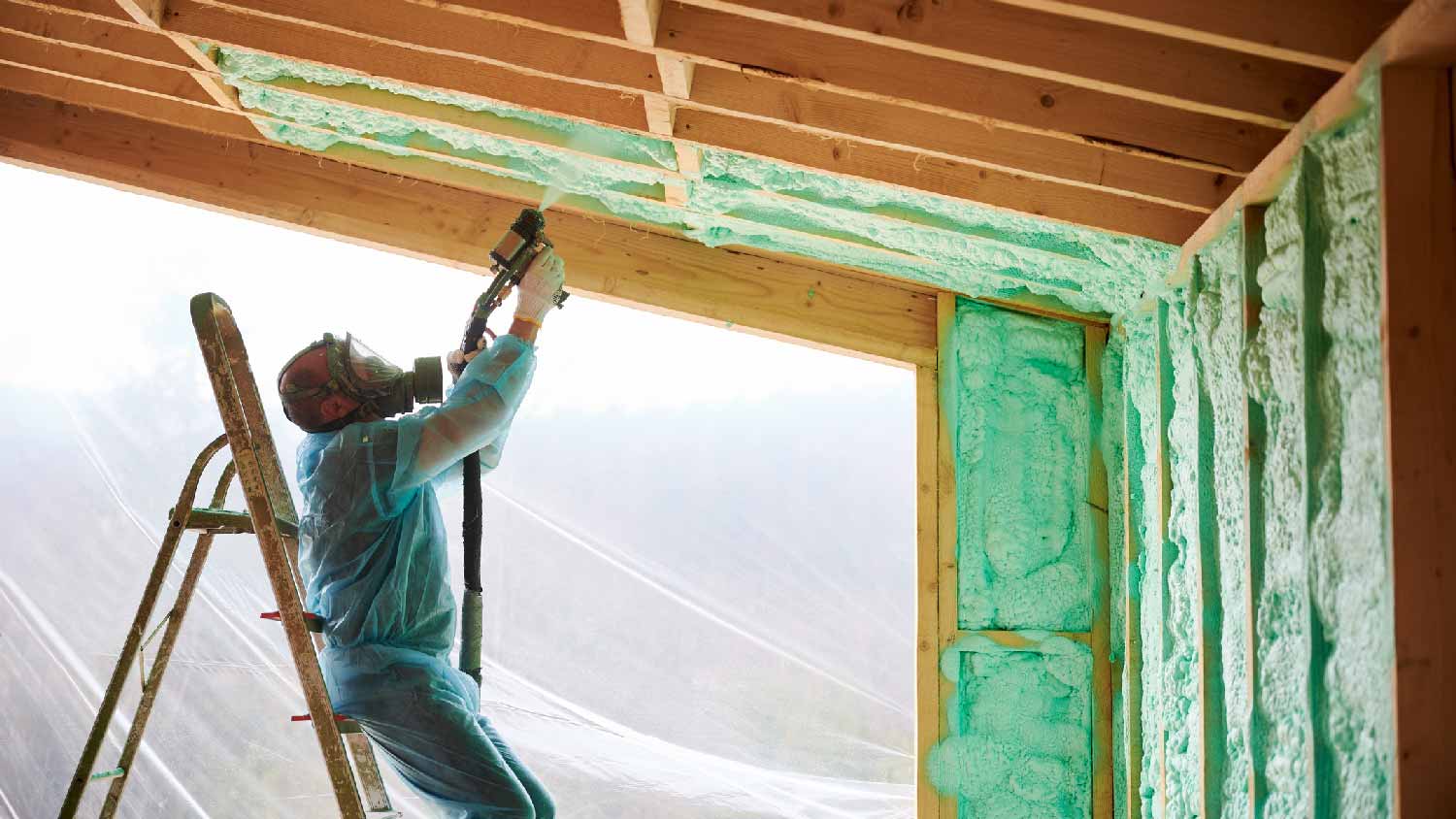
In the rapidly evolving world of residential construction, efficiency and durability have become top priorities for builders and contractors—especially in a climate as unpredictable as Springfield, Missouri. Today's homebuyers expect lower energy bills, healthier indoor air, and long-lasting building performance. To meet these expectations, contractors are turning to spray foam insulation as the preferred material for new construction projects.
Whether you're a home builder, contractor, or developer, understanding why spray foam is becoming the standard is essential for staying competitive in the Springfield market. This guide breaks down the benefits, compliance advantages, and long-term value that set spray foam apart from traditional insulation options.
Missouri's Building Code Requirements Are Increasingly Focused on Efficiency
Modern building codes aren't just suggestions—they're strict requirements aimed at reducing energy consumption and improving home durability. In Missouri, and particularly in Springfield and surrounding Greene and Christian County areas, builders are seeing more emphasis on air sealing, moisture control, and thermal performance.
**How Spray Foam Helps Builders Meet (and Exceed) Code Requirements**
Missouri's energy code requirements include:
Minimum R-values for walls, attics, and floors
Mandatory air sealing throughout the building envelope
Proper insulation of rim joists, crawl spaces, and attic transitions
Requirements that help minimize heat loss and moisture infiltration
Traditional materials like fiberglass can meet R-value requirements on paper, but they fall short when it comes to air leakage, one of the biggest contributors to energy waste.
Spray foam, on the other hand:
Expands to seal gaps, cracks, and penetrations
Provides both insulation AND an air barrier in a single application
Eliminates thermal bridging and drafts
Helps builders pass code inspections more easily and consistently
By using spray foam, Springfield builders can deliver homes that not only meet code—but perform better than the minimum standards.
Why Blower-Door Tests Matter in New Construction
A blower-door test is a key part of home energy compliance. It measures how "leaky" or "tight" a home is by depressurizing the structure and monitoring how much outside air enters.
Missouri's building code requires homes to achieve a specific air-tightness score. If a home has too many gaps, cracks, or unsealed areas, it will fail the test—delaying inspections, raising corrective costs, and slowing the building schedule.
**Spray Foam Makes Blower-Door Tests Far Easier to Pass**
Because spray foam provides exceptional air sealing, homes insulated with it typically score very low on air leakage. This offers several advantages for builders:
Fewer call-backs after failed blower-door tests
Faster inspection approvals
Less time spent sealing gaps with caulk, tape, or foam board
Higher confidence in final home performance
For contractors managing multiple builds at once, time is money. Spray foam helps streamline the insulation and inspection process so projects stay on schedule.
Air Sealing: The #1 Key to Energy-Efficient Homes
While R-value is important, air sealing is what truly determines a home's energy efficiency. HVAC systems work significantly harder when conditioned air escapes through gaps in walls, attics, crawl spaces, and rim joists.
**Why Contractors Prefer Spray Foam for Air Sealing**
Spray foam insulation naturally:
Expands to fill every gap and void
Reduces outdoor air infiltration
Minimizes load on HVAC systems
Helps create stable indoor temperatures
Traditional insulation leaves homeowners vulnerable to:
Drafts
Cold or hot rooms
Moisture buildup
Higher utility bills
For energy-efficient new construction, spray foam creates a near-airtight envelope—something fiberglass or cellulose simply cannot achieve.
The result? Homes that feel better, perform better, and cost less to operate.
Moisture Control and Long-Term Structural Protection
Missouri's humid summers and cold winters create the perfect conditions for moisture-related issues. When moisture gets into walls, crawl spaces, or attics, it can lead to:
Mold growth
Wood rot
Sagging floors
Poor indoor air quality
Structural weakening
**Spray Foam's Moisture Barrier Advantage**
Closed-cell spray foam acts as both an insulation material AND a moisture barrier. When applied to crawl spaces, rim joists, or unvented attics, it dramatically reduces the risk of moisture problems.
Builders prefer spray foam in areas where homes are prone to:
Soil moisture
Condensation
High humidity
Airborne water vapor intrusion
By preventing moisture movement, spray foam helps extend the lifespan of framing, sheathing, and flooring systems—resulting in fewer headaches and warranty claims down the road.
Long-Term Value for Homeowners: A Major Selling Point for Builders
Today's homebuyers are more informed than ever. They want energy-efficient homes, lower utility costs, and healthier indoor environments. That makes spray foam a strong selling point for real estate listings and new construction marketing.
**Key Long-Term Benefits Homeowners Love**
**1. Lower Energy Bills**
Spray foam can reduce heating and cooling costs by up to 40%. For families in Missouri—where both winter and summer energy use is high—this can mean thousands of dollars in long-term savings.
**2. Better Indoor Comfort**
Homes insulated with spray foam maintain more consistent temperatures. No more hot second floors or cold bedrooms above the garage.
**3. Improved Indoor Air Quality**
By sealing cracks, spray foam helps keep out:
Pollen
Dust
Outdoor pollutants
Humidity
This leads to healthier indoor living conditions.
**4. Reduced HVAC Wear and Tear**
Because spray foam reduces air leakage and stabilizes temperatures, HVAC systems run less frequently and last longer.
**5. Higher Property Value**
A well-insulated, energy-efficient home often commands a higher resale price. Builders who use spray foam can market the home as a premium, high-performance product.
Why Springfield Contractors Choose Foam Fortress as Their Spray Foam Partner
Local builders know that the quality of spray foam insulation depends heavily on the expertise of the crew installing it. Foam Fortress provides Springfield contractors with:
A skilled, experienced local installation team
High-quality spray foam materials
Fast turnaround times to keep projects on schedule
Job site protection and clean, professional results
Competitive pricing for builders and developers
Whether it's a single custom home or an entire subdivision, Foam Fortress helps contractors deliver better-performing buildings that stand out in Missouri's competitive housing market.
The Bottom Line: Spray Foam Is the Future of Energy-Efficient Construction
As building codes evolve and homeowners demand better performance, spray foam insulation is quickly becoming the standard for new construction in Springfield. Contractors and builders who adopt spray foam gain a competitive edge by offering:
Homes that pass blower-door tests with ease
Stronger air sealing and moisture control
Lower energy costs for homeowners
Higher durability and long-term structural protection
A superior building envelope that performs for decades
Spray foam isn't just an upgrade—it's a smart investment in the future of homebuilding.