
Springfield Homeowner's Guide to Insulation Rebates, Tax Credits, and Energy Savings
Learn how Springfield homeowners can save money through insulation upgrades, qualify for rebates and tax credits, and reduce energy bills by up to 40%. A complete guide to making insulation improvements more affordable.
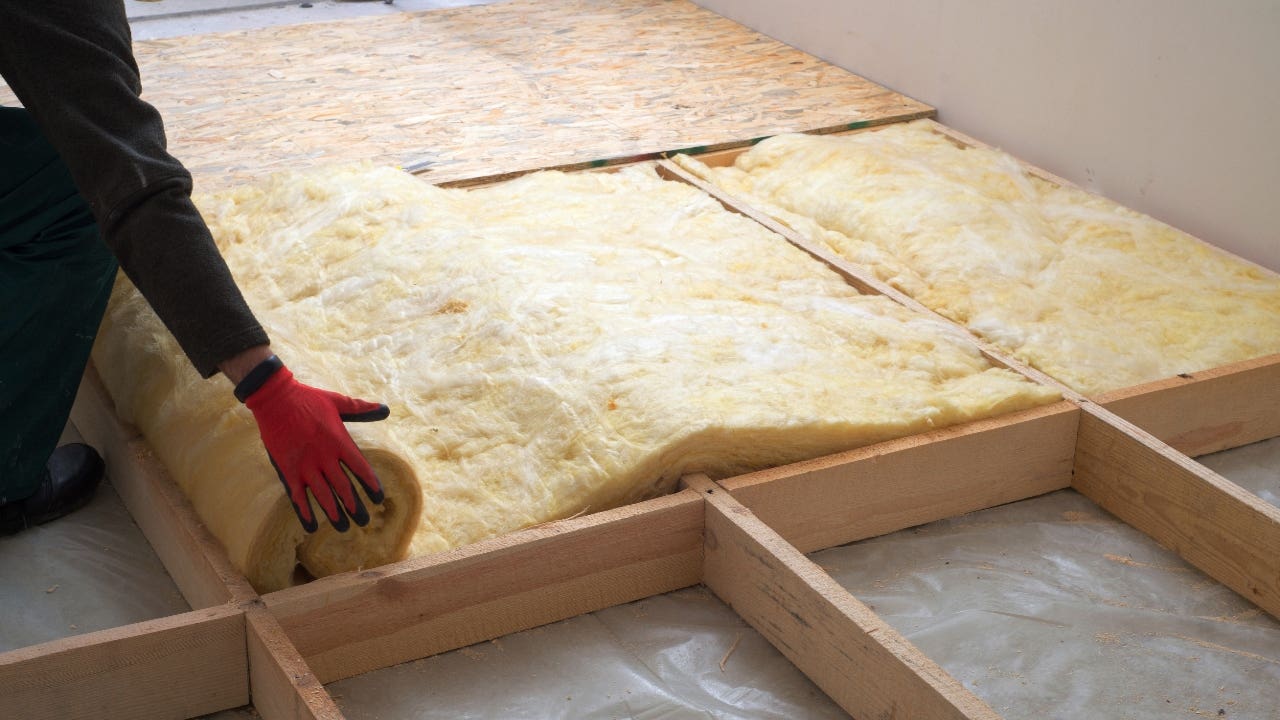
For homeowners in Springfield, Missouri, rising energy costs are more than an inconvenience—they're a long-term expense that quietly drains household budgets year after year. Heating and cooling alone account for a significant portion of utility bills, especially in Southwest Missouri's climate, where hot, humid summers and cold winters push HVAC systems to their limits.
The good news? Strategic insulation upgrades can dramatically reduce energy waste—and in many cases, homeowners may qualify for rebates, tax credits, or long-term financial savings that make insulation improvements more affordable than expected.
This guide breaks down how Springfield homeowners can save money through insulation upgrades, what incentives may be available, and why professional spray foam insulation is one of the smartest long-term investments you can make.
Why Insulation Matters More in Springfield's Climate
Springfield sits in a climate zone that experiences wide temperature swings throughout the year. Summers bring high heat and humidity, while winters often include freezing temperatures and strong winds. Homes without proper insulation struggle to maintain indoor comfort, forcing HVAC systems to work overtime.
**Poor insulation leads to:**
Higher monthly heating and cooling bills
Uneven indoor temperatures
Excess humidity and moisture problems
Drafts and air leaks
Reduced HVAC lifespan
Upgrading insulation is not just about comfort—it's about efficiency, durability, and protecting your home from unnecessary energy loss.
Understanding Insulation Rebates and Incentives
Many homeowners assume rebates and tax credits are only available for large-scale renovations or solar installations. In reality, insulation improvements are often included in broader energy-efficiency incentive programs.
While specific rebate availability can vary year to year, homeowners in Springfield may encounter incentives through:
**Utility-Based Energy Efficiency Programs**
Some energy providers offer rebates or incentives for qualifying energy-efficiency upgrades. These programs may encourage improvements that reduce overall energy demand, including insulation upgrades that lower heating and cooling usage.
**Federal Energy Efficiency Tax Credits**
Certain insulation improvements may qualify for federal energy-efficiency tax credits when they meet performance standards. These credits can help offset a portion of the project cost, reducing your overall investment.
**State or Regional Efficiency Initiatives**
Occasionally, Missouri or regional programs introduce limited-time incentives aimed at improving residential energy efficiency. These programs are often first-come, first-served and tied to verified upgrades.
Because incentives change, it's always best to consult a professional insulation contractor who stays informed on current programs and can help guide you through documentation requirements.
How Spray Foam Insulation Maximizes Energy Savings
Not all insulation materials perform the same. Traditional materials like fiberglass or cellulose can reduce heat transfer, but they often fail to address the biggest source of energy loss: air leakage.
Spray foam insulation stands apart because it acts as both insulation and an air seal.
**Key Benefits of Spray Foam Insulation**
**Superior Air Sealing**
Spray foam expands on application, sealing gaps, cracks, and penetrations that allow conditioned air to escape.
**Higher R-Value Per Inch**
Spray foam provides more insulating power in less space compared to traditional materials.
**Moisture Control**
By limiting air movement, spray foam reduces moisture intrusion that can lead to mold or rot.
**Long-Term Performance**
Unlike fiberglass, spray foam does not sag, settle, or degrade over time.
**Lower Energy Bills**
Many homeowners see energy savings of up to 30–40% after upgrading insulation.
These benefits not only reduce monthly costs but also help homes meet or exceed energy-efficiency standards tied to incentives and credits.
Where Insulation Upgrades Deliver the Best Return
If you're looking to maximize savings—and potential eligibility for rebates—certain areas of the home offer the biggest impact.
**Attics**
Heat rises, making attics one of the largest sources of energy loss. Properly insulating and air-sealing the attic can significantly reduce both summer cooling and winter heating costs.
**Crawl Spaces and Basements**
Uninsulated or poorly insulated crawl spaces allow cold air, moisture, and humidity to enter the home. Spray foam creates a sealed barrier that stabilizes indoor temperatures and protects floor systems.
**Walls in Older Homes**
Many older Springfield homes were built with minimal or outdated insulation. Spray foam can dramatically improve efficiency without major structural changes.
**Metal Buildings and Additions**
Workshops, garages, and metal structures often experience extreme temperature swings. Spray foam provides consistent thermal control and moisture protection in these spaces.
Energy Savings: What Homeowners Can Expect
While results vary based on home size and condition, insulation upgrades consistently deliver measurable savings.
**Homeowners often report:**
Immediate improvement in indoor comfort
Reduced HVAC run times
Lower utility bills month after month
Fewer hot and cold spots
Better humidity control
Over time, these savings can offset the initial investment, making insulation one of the highest-return home improvements available.
Why Professional Installation Matters
Many incentive programs require professional installation to qualify for rebates or tax credits. Beyond eligibility, professional installation ensures the insulation performs as intended.
**A qualified spray foam contractor will:**
Evaluate your home's insulation needs
Identify air leakage points
Recommend the correct foam type and thickness
Ensure proper application and curing
Provide documentation when needed
Professional installation also ensures safety, compliance with building codes, and long-term performance.
Planning Your Insulation Upgrade
If you're considering insulation improvements, timing matters. Seasonal energy demand, incentive availability, and home usage can all influence the best time to upgrade.
**Before starting:**
Schedule a professional inspection
Ask about current rebates or tax incentives
Prioritize high-impact areas like attics and crawl spaces
Plan for long-term savings, not just upfront cost
A knowledgeable local contractor can help you make informed decisions that align with both your budget and efficiency goals.
Final Thoughts: A Smarter Investment for Springfield Homeowners
Insulation upgrades are more than a home improvement—they're a financial strategy. By reducing energy waste, improving comfort, and potentially qualifying for rebates or tax credits, insulation delivers value year after year.
For Springfield homeowners, professional spray foam insulation offers a powerful combination of energy savings, durability, and comfort that traditional materials simply can't match.
If you're ready to lower your energy bills and explore available incentives, a professional evaluation is the first step toward a more efficient, comfortable home.