
The Complete Guide to Spray Foam Insulation for Attics, Crawl Spaces, and Metal Buildings
Everything you need to know about spray foam insulation—from open-cell vs. closed-cell options to the installation process. Learn how spray foam can transform attics, crawl spaces, pole barns, and metal buildings in Missouri.
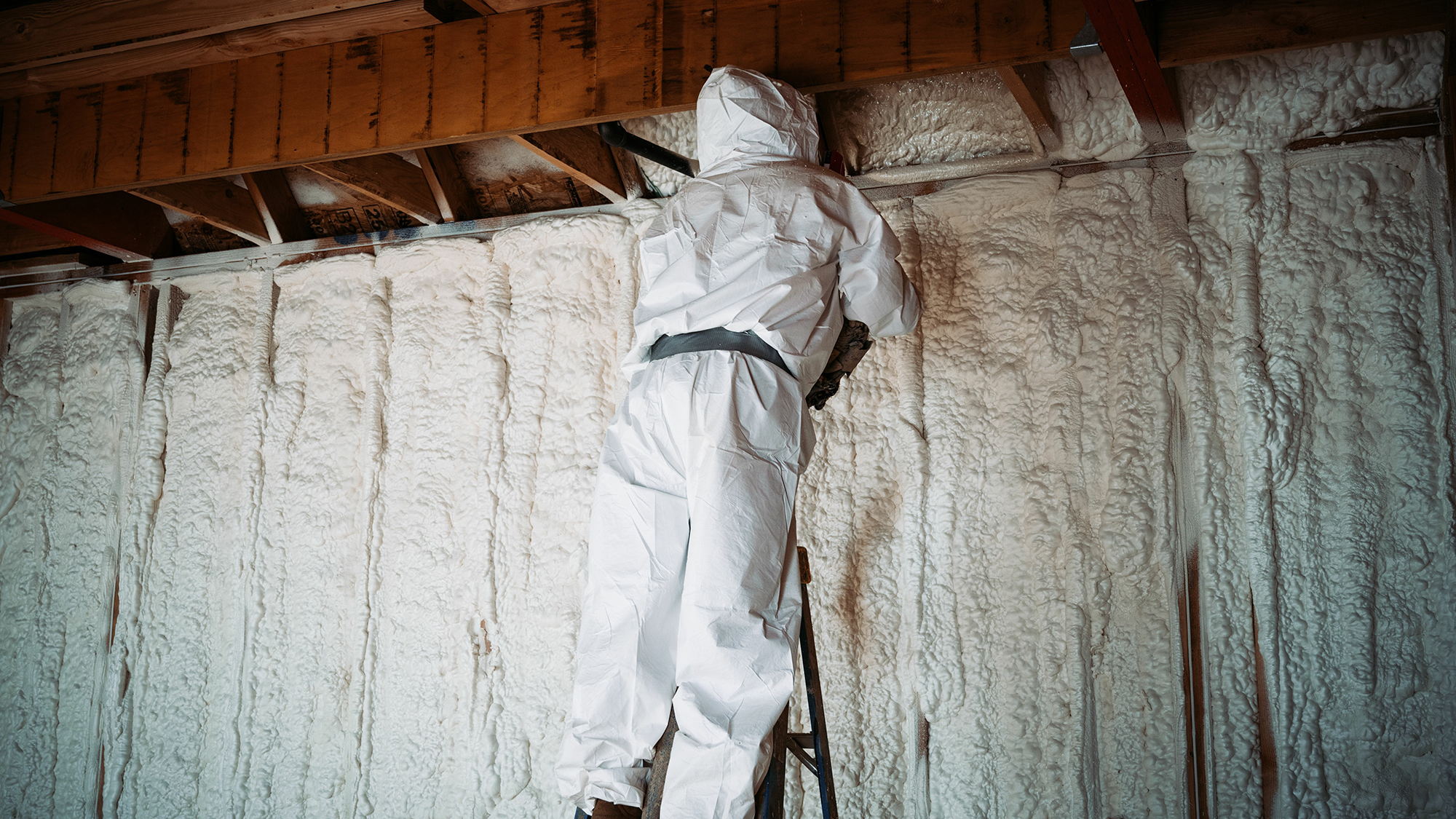
If you're a homeowner, farmer, or business owner in Missouri, you already know how intense our weather can be—humid summers, freezing winters, and plenty of temperature swings in between. Insulation isn't just a "nice to have" here; it's essential. And when it comes to getting the best performance, spray foam insulation stands out from traditional options like fiberglass and cellulose.
This complete guide walks you through what spray foam is, the difference between open-cell and closed-cell foam, where it works best, and how the installation process actually happens. Whether you're insulating an attic, a crawl space, a pole barn, or a metal building, this is your starting point for making a smart decision.
What Is Spray Foam Insulation?
Spray foam insulation is a high-performance insulation material applied as a liquid that expands into a dense foam. Once sprayed, it rapidly grows to fill gaps, cracks, and hard-to-reach spaces, creating both thermal insulation and an air seal in one step.
Unlike traditional batts or blown-in insulation that simply "sit" in cavities, spray foam adheres to surfaces and forms a continuous layer. That means fewer drafts, fewer cold spots, and much better control over indoor temperatures.
**Key advantages include:**
Excellent R-value per inch (high resistance to heat flow)
Powerful air sealing to stop drafts and energy loss
Reduced moisture intrusion and potential mold issues
Long lifespan without settling or sagging
Open-Cell vs. Closed-Cell Spray Foam
Not all spray foam is the same. The two main types—open-cell and closed-cell—each have unique strengths. Knowing the difference helps you choose the right solution for your attic, crawl space, or metal building.
**Open-Cell Spray Foam**
Open-cell foam has a softer, sponge-like structure. The tiny cells are left open, which makes the foam lighter and more flexible.
**Best features:**
Great for sound dampening, making homes quieter
Expands significantly, filling irregular cavities and tight spaces
Typically more cost-effective than closed-cell foam
Ideal for interior applications like attics and some walls
Open-cell foam is vapor permeable, meaning it can allow moisture to pass through. When used correctly with proper building design, this can help manage moisture rather than trap it.
**Closed-Cell Spray Foam**
Closed-cell foam has a denser structure with fully closed cells, giving it a much higher R-value per inch and impressive strength.
**Best features:**
Higher R-value for maximum thermal performance
Acts as a moisture barrier, excellent for damp or exposed areas
Adds structural rigidity to walls and roof decks
Perfect for crawl spaces, metal buildings, pole barns, and commercial applications
Closed-cell foam is often the go-to choice when you need durability, moisture control, and the highest level of insulation performance.
Ideal Applications for Homes & Businesses
Spray foam is extremely versatile. Here's where it really shines in both residential and commercial properties:
**Attics**
Attics are one of the biggest sources of energy loss in any building. Heat rises, and without proper insulation, it escapes straight through the roof.
**Why spray foam is ideal:**
Seals around joists, vents, and penetrations
Prevents hot summer air from radiating into living areas
Reduces the risk of ice dams in winter
Keeps temperatures more consistent in upstairs rooms
Whether you're insulating the attic floor or creating a conditioned attic by spraying the roof deck, spray foam dramatically improves comfort and reduces energy costs.
**Crawl Spaces & Basements**
Crawl spaces are often damp, drafty, and ignored—yet they have a major influence on indoor comfort and air quality.
**Benefits in crawl spaces:**
Closed-cell foam blocks ground moisture and humid air
Helps prevent mold, musty odors, and wood rot
Reduces cold floors in winter and drafts around the home
Makes the entire home easier to heat and cool
Sealing and insulating the crawl space with spray foam helps turn it from a problem area into a protected part of the building envelope.
**Metal Buildings, Pole Barns, and Workshops**
Metal buildings, agricultural structures, and workshops have unique challenges. Bare metal transfers heat and cold rapidly, and condensation can form on the interior surfaces.
**Why spray foam excels here:**
Adheres directly to metal, creating a continuous insulated layer
Dramatically reduces condensation and dripping
Keeps the building cooler in summer and warmer in winter
Protects equipment, tools, and stored materials from temperature extremes
For pole barns and shops used year-round, spray foam can be the difference between an uncomfortable shed and a functional, climate-controlled workspace.
Benefits for Pole Barns & Workshops
Let's dive deeper into why spray foam is such a smart investment for pole barns and workshops in Missouri.
**1. Condensation Control**
When warm, moist air meets cool metal, you get condensation—and over time, that can mean rust, corrosion, and rot. Closed-cell spray foam creates a barrier that keeps interior surfaces from reaching those dew-point conditions.
**2. More Usable Space Year-Round**
Whether you're storing equipment, working on projects, or housing animals, a comfortable temperature matters. Spray foam helps keep interior temperatures more stable, making the building useful in all seasons.
**3. Energy Efficiency**
If you heat or cool your pole barn or shop, spray foam dramatically reduces the load on your HVAC equipment. That means lower fuel bills and less wear on heaters, mini-splits, or other systems.
**4. Noise Reduction**
Spray foam also absorbs sound, helping reduce noise from outdoors or between interior areas—especially helpful in busy workshops or barns near roads.
How Spray Foam Installation Works: Step-by-Step
Understanding the process helps you know what to expect when you schedule a project with a professional crew like Foam Fortress.
**Step 1: Consultation & Inspection**
A technician visits your property to inspect the attic, crawl space, or building. They'll measure square footage, note existing insulation, and identify moisture or ventilation issues. From there, you receive a detailed, no-obligation estimate.
**Step 2: Preparation & Protection**
On installation day, the crew protects floors, equipment, stored items, and access paths with plastic sheeting or drop cloths. In attics and crawl spaces, they secure wiring and ductwork as needed and remove old or damaged insulation if part of the scope.
**Step 3: Surface Preparation**
Surfaces must be clean, dry, and at the proper temperature. Any significant gaps, penetrations, or problem areas are addressed so the foam can adhere properly and form a continuous barrier.
**Step 4: Spraying the Foam**
Using professional equipment, the installers apply the foam in controlled passes. As it's sprayed, the foam expands and then cures into a rigid or semi-rigid material, depending on the type used. The crew carefully builds up the correct thickness to reach the desired R-value.
**Step 5: Trimming & Detailing**
Once cured, any excess foam is trimmed back to be flush with framing or surfaces. The team ensures that access points, hatches, and service panels remain usable.
**Step 6: Cleanup & Final Walkthrough**
All coverings, debris, and removed materials are cleaned up and hauled away. A final walkthrough confirms that the work was completed as promised, and the installer reviews what was done and what you can expect in terms of performance.
Most residential projects are completed in one to two days, depending on size and complexity, with minimal disruption to your daily routine.
Is Spray Foam Right for Your Project?
If you're dealing with:
Hot, stuffy rooms near the attic
Cold floors or musty odors from the crawl space
Condensation and temperature swings in a metal building or pole barn
Rising utility bills year after year
…then spray foam insulation is likely a smart, long-term solution.
For a tailored recommendation and a free estimate, you can invite a local professional crew to evaluate your attic, crawl space, or metal building and show you how spray foam can improve comfort, efficiency, and durability for years to come.